
In 2015, my grandparents and I visited Hokkaido, Japan, as part of a tourist group. Japan is often presented as a country of advanced technology and a media-oriented culture, but Hokkaido is centered around nature, and it was cool experiencing this aspect of Japanese culture. It’s a great destination to try a variety of fresh seafood and admire scenes of natural scenery!
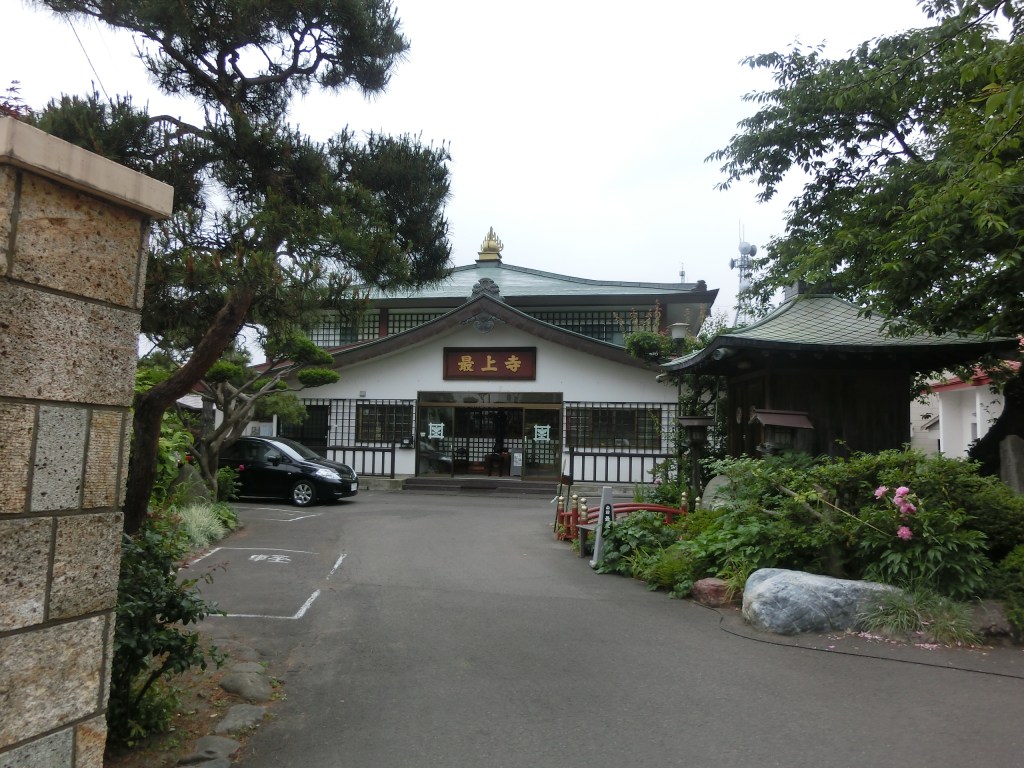
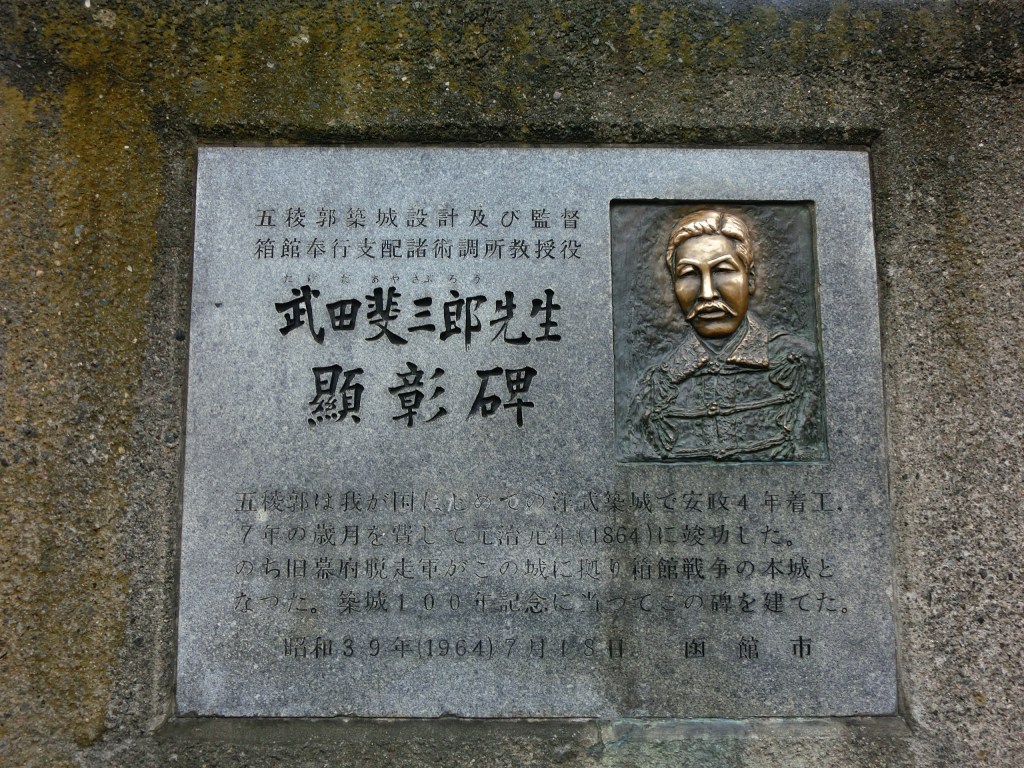
On our first day in Hokkaido, we briefly passed by the Saijoji Buddhist temple in Hakodate, a structure incorporating many neutral tones and natural materials like wood and stone designed by architect Takeda Ayasaburo.

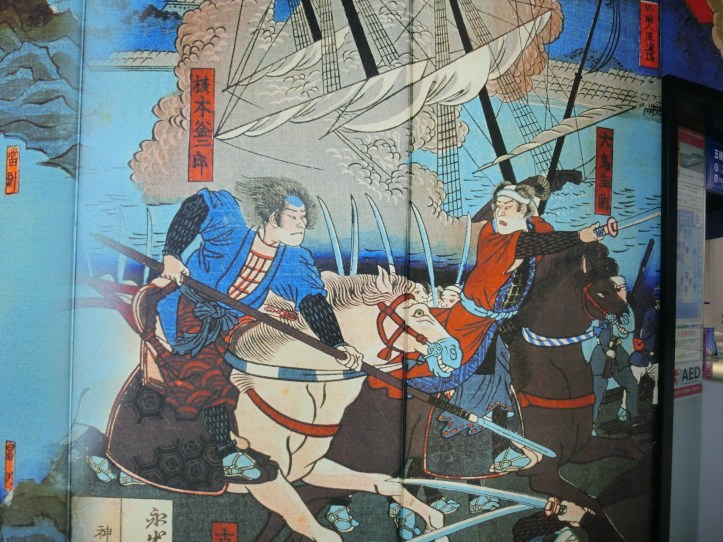
Even the manhole covers on the streets of Hokkaido evidence that it places a lot of care and dedication to appearance and details! From cow- patterned taxis and painted manhole covers to cat statues that adorned the sidewalk, even simply strolling down the street was an incredibly enjoyable experience!


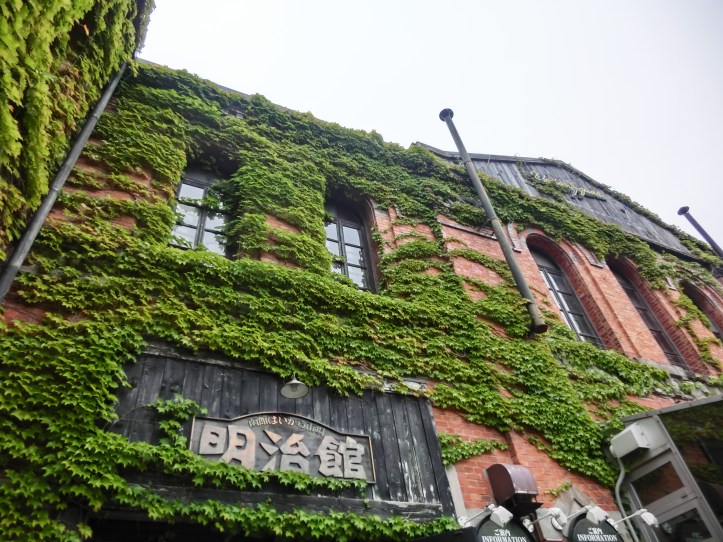

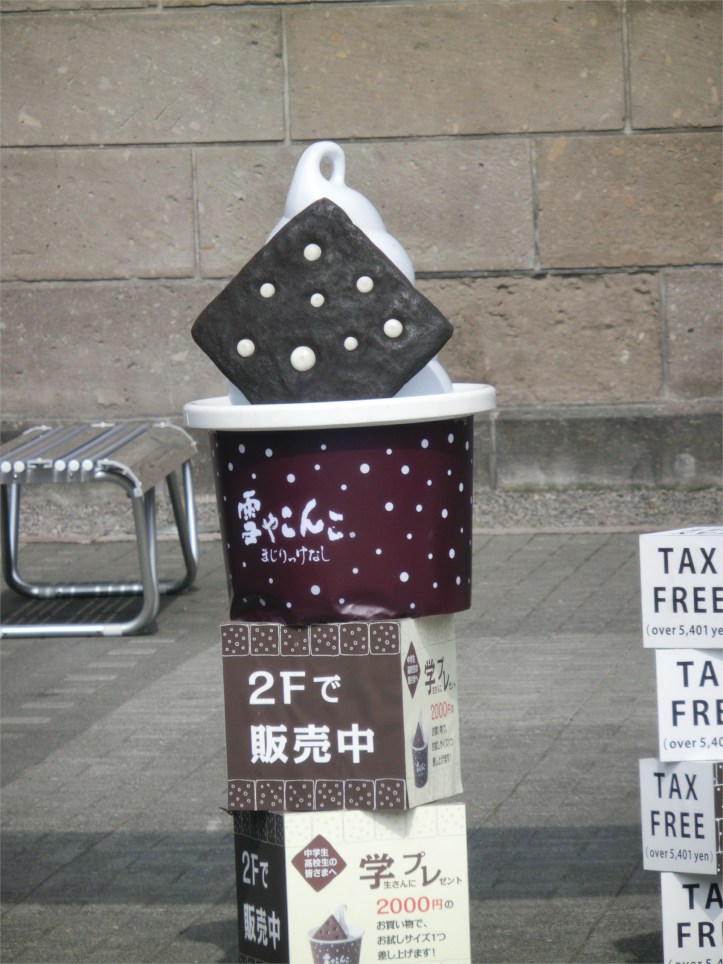

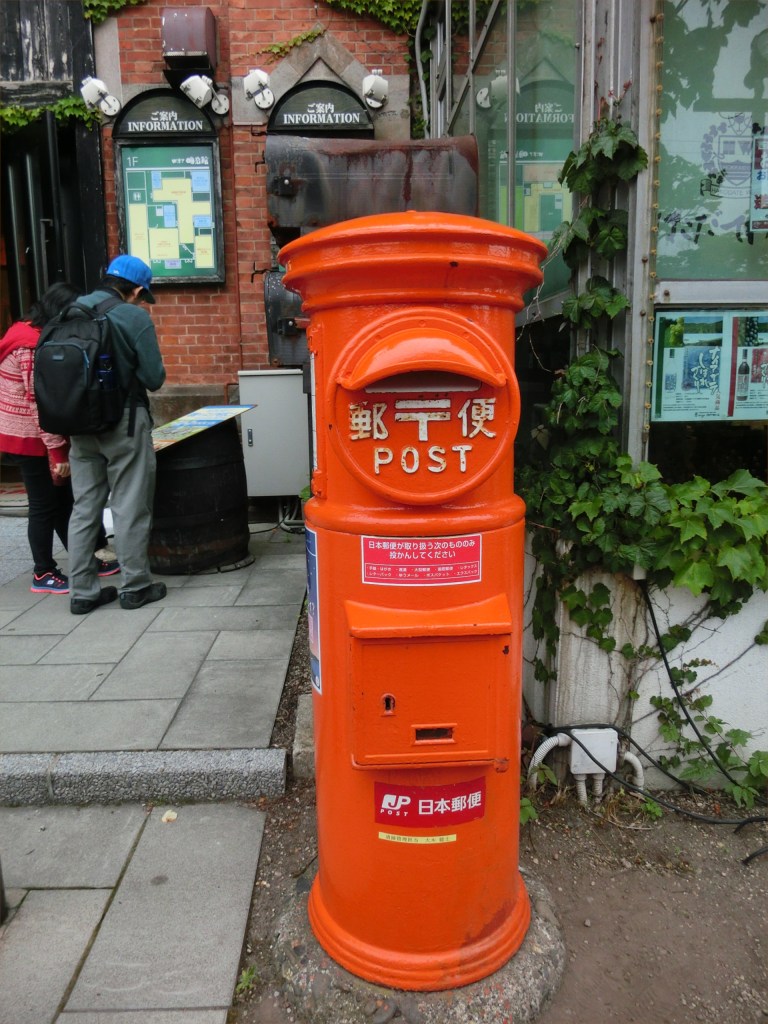
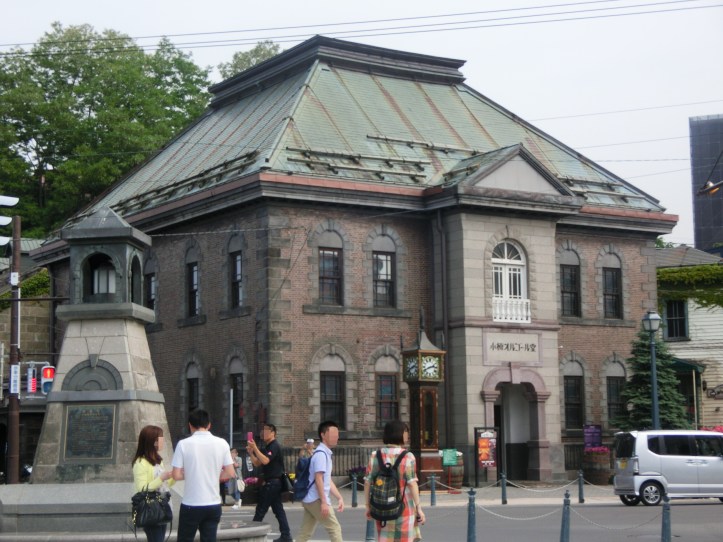

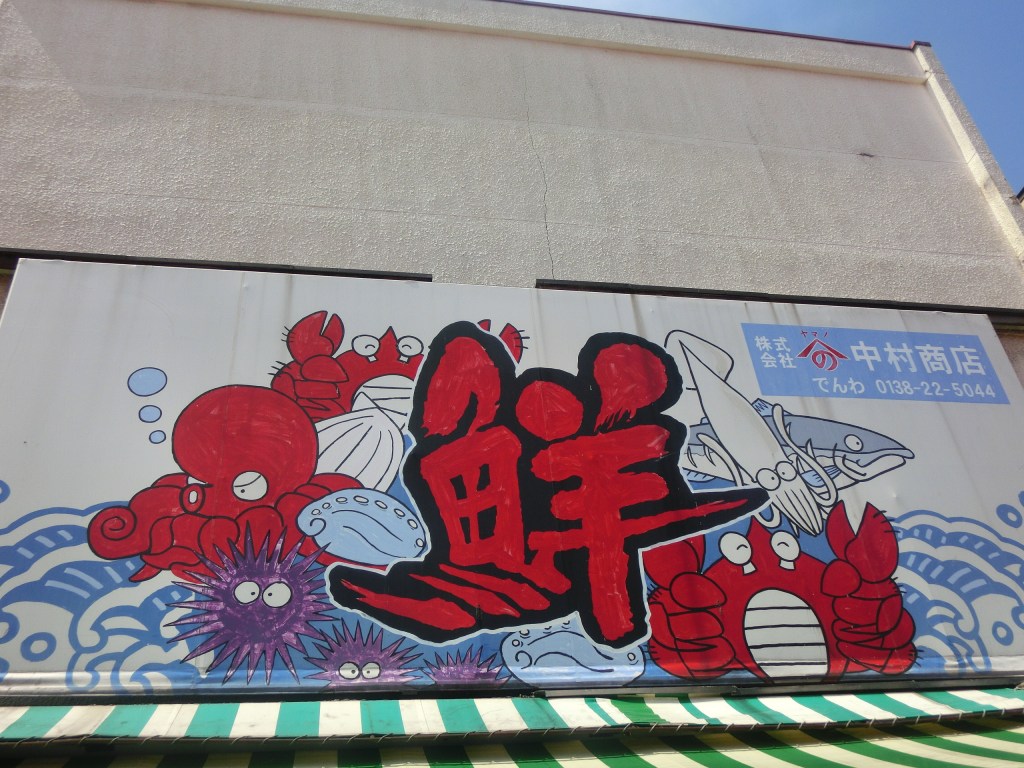
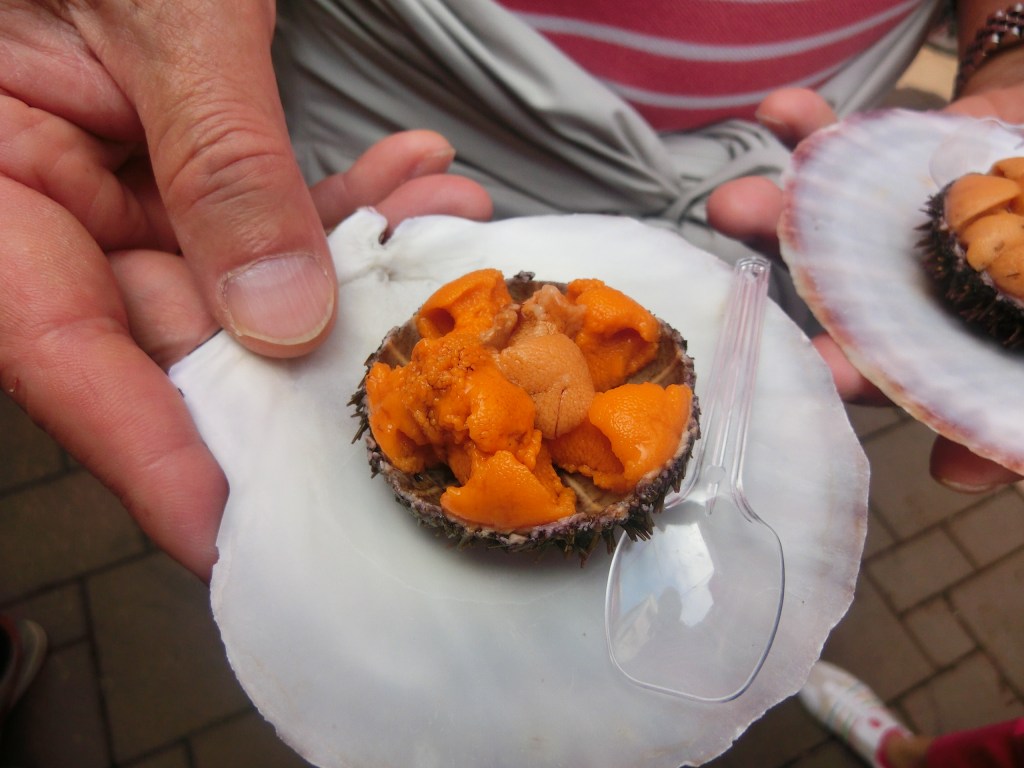
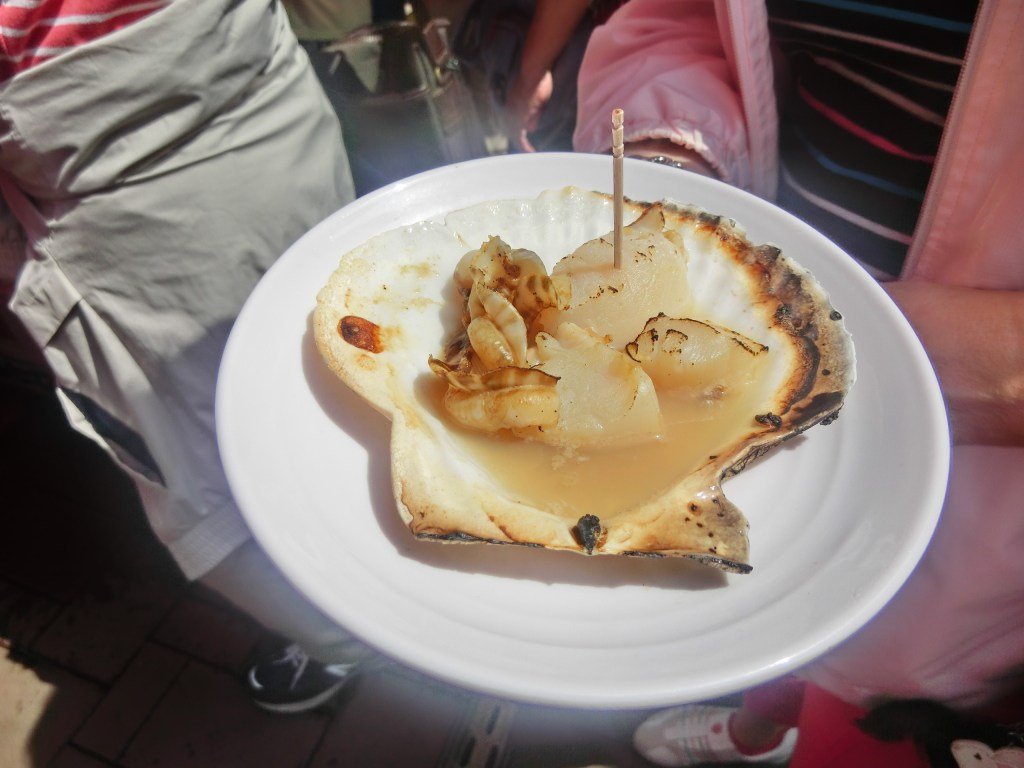
As our group passed a seafood market, we tried some uni (sea urchin) and scallops fresh from their shells. Hokkaido is an island, so seafood is a major part of the local cuisine.
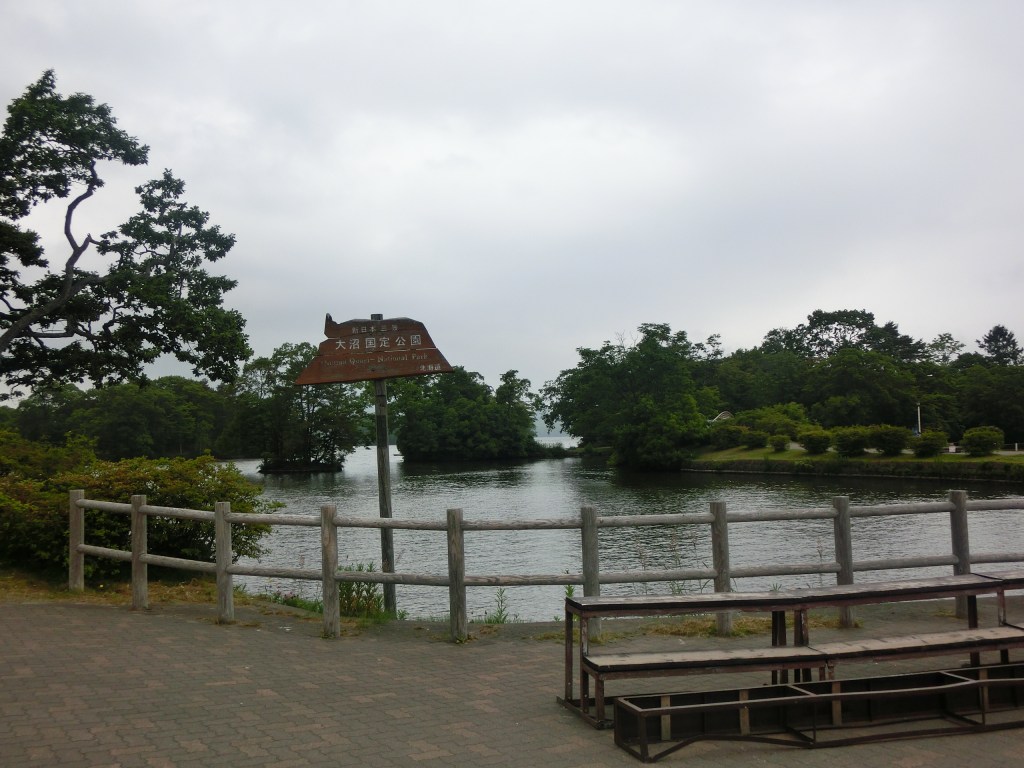
We also visited Ōnuma Quasi National Park, where we had a view of the Ōnuma and Konuma ponds. It was a beautiful cloudy day when we toured the park. A gentle wind continually ruffled the surface of the water, and the lush, swaying trees growing all around on the sandy banks and on little islands rising out of the ponds made it the perfect place for a leisurely stroll.
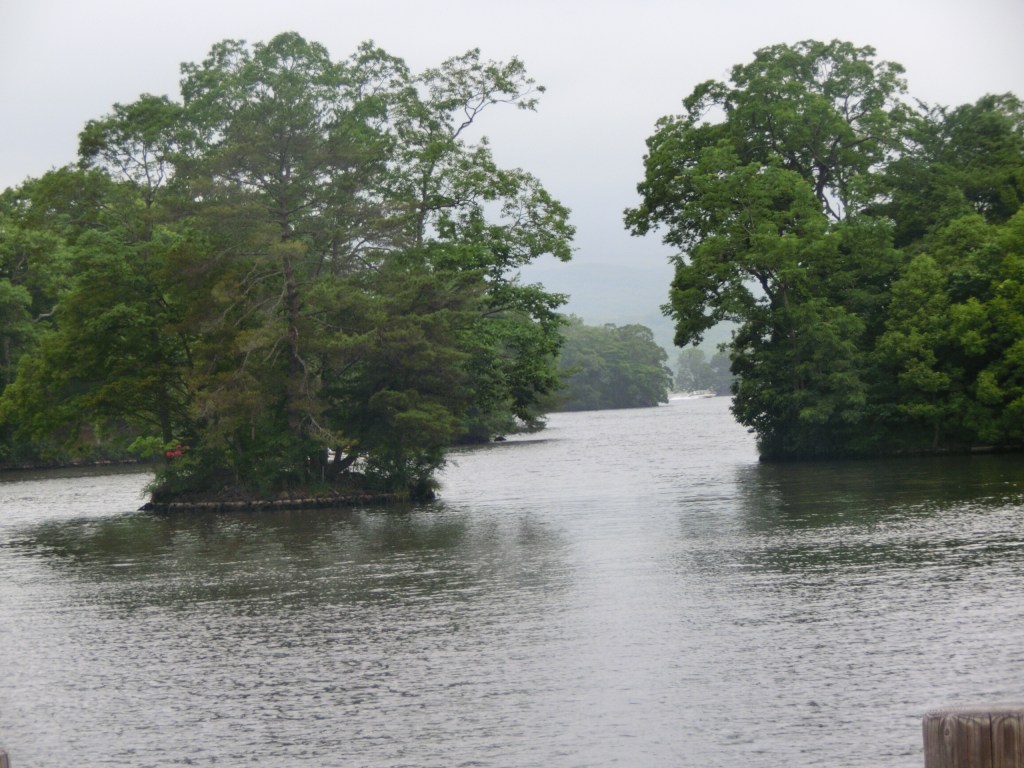
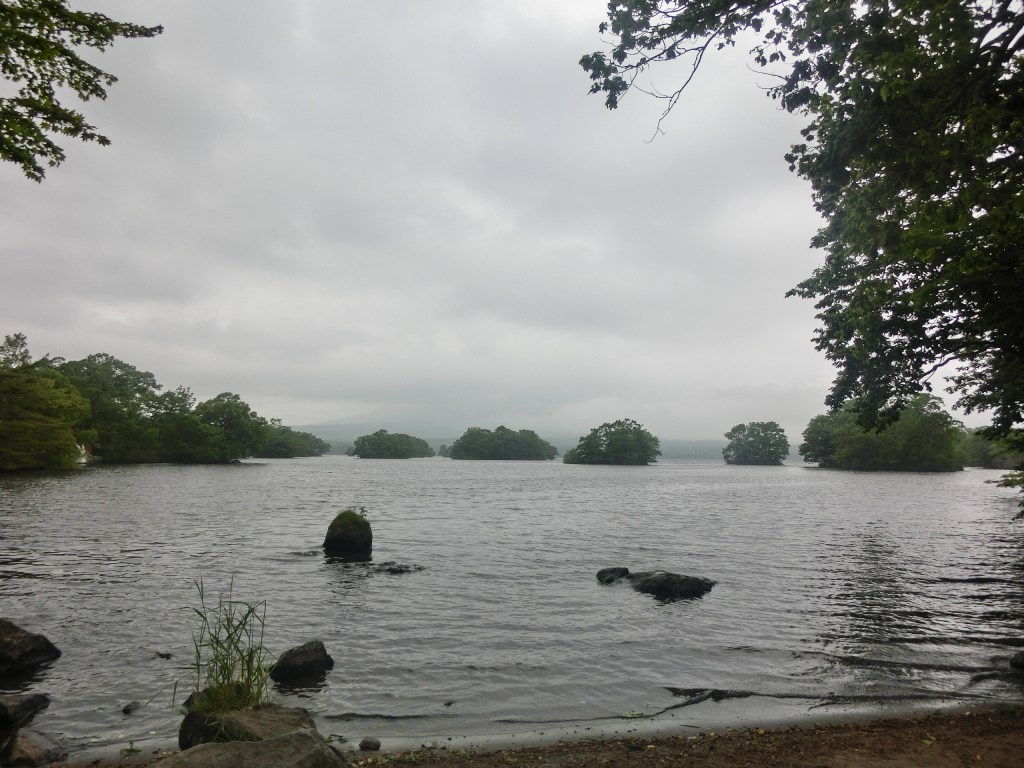


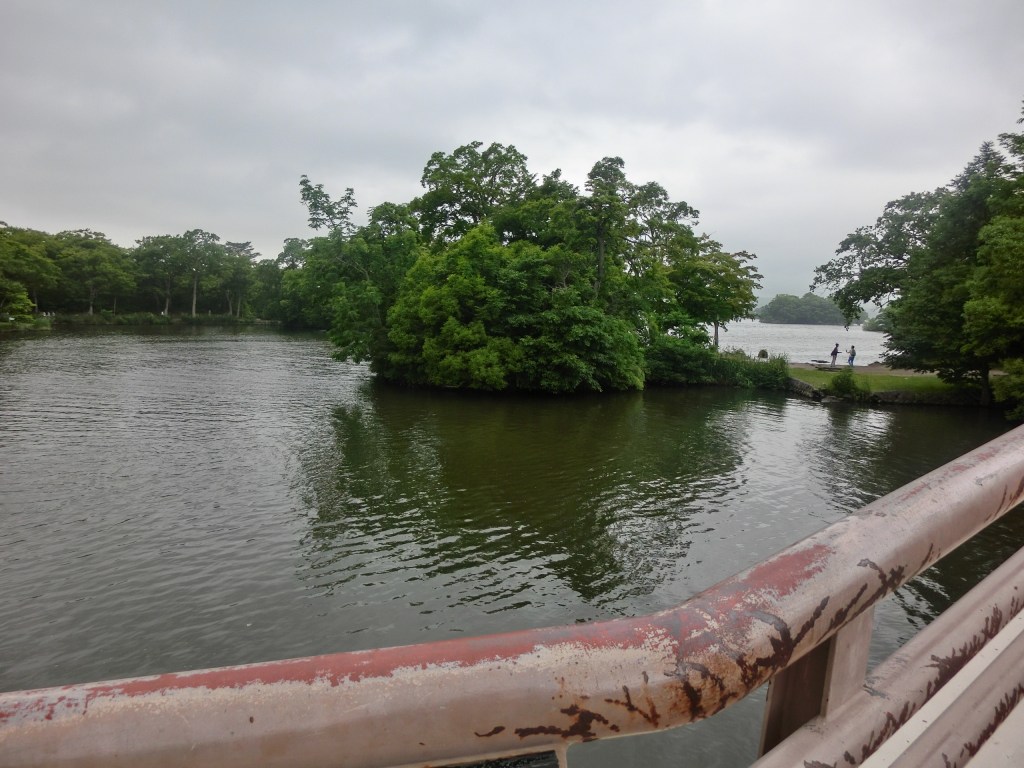


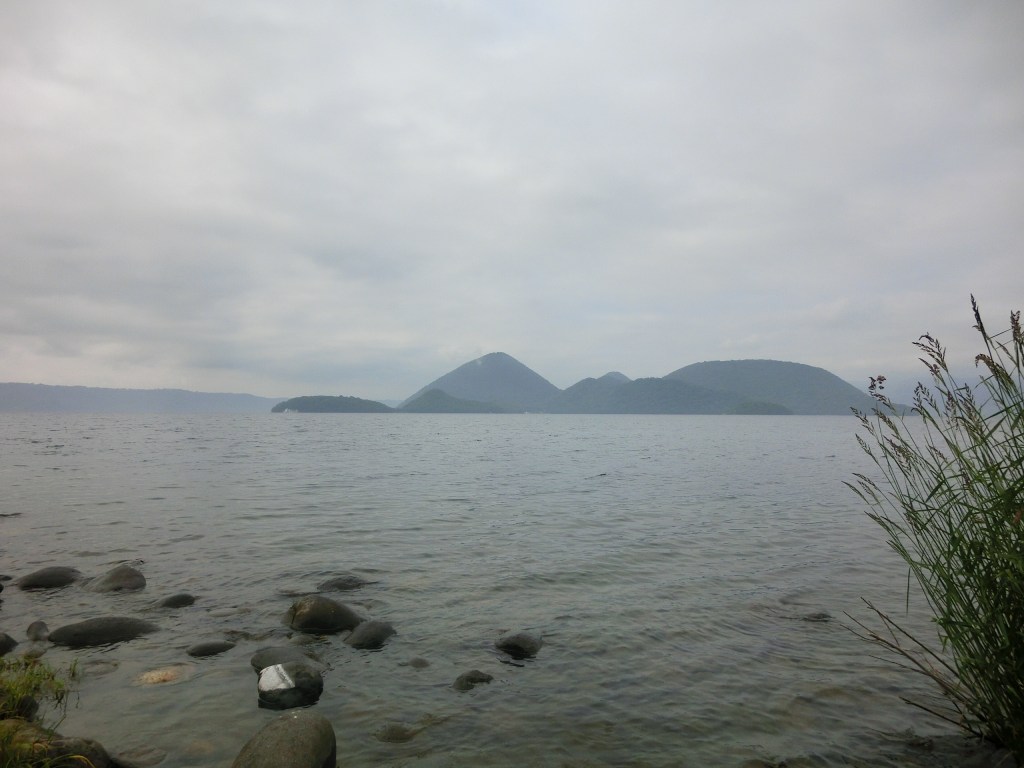
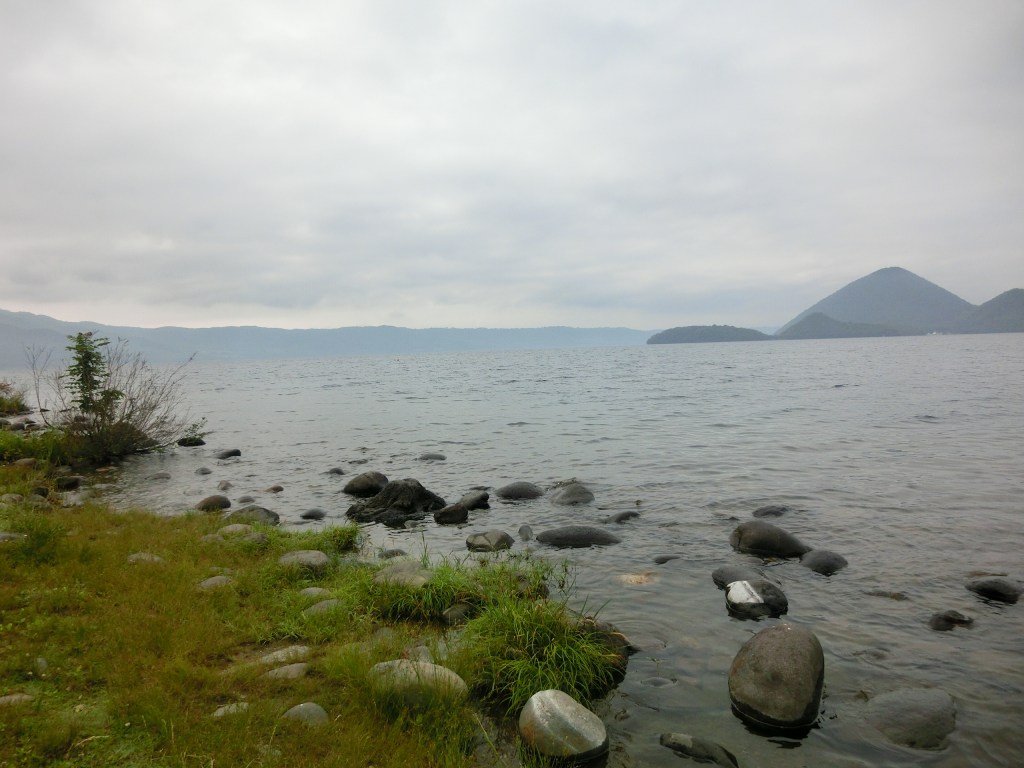
We also walked along the shores of Lake Shikotsu and Lake Tōya at Shikotsu-Tōya National Park, which had a beautiful view of the misty islands in the center of the lake. It was another site of tranquil natural beauty, serenaded by the sound of the lake lapping gently at the grassy, rocky shore.


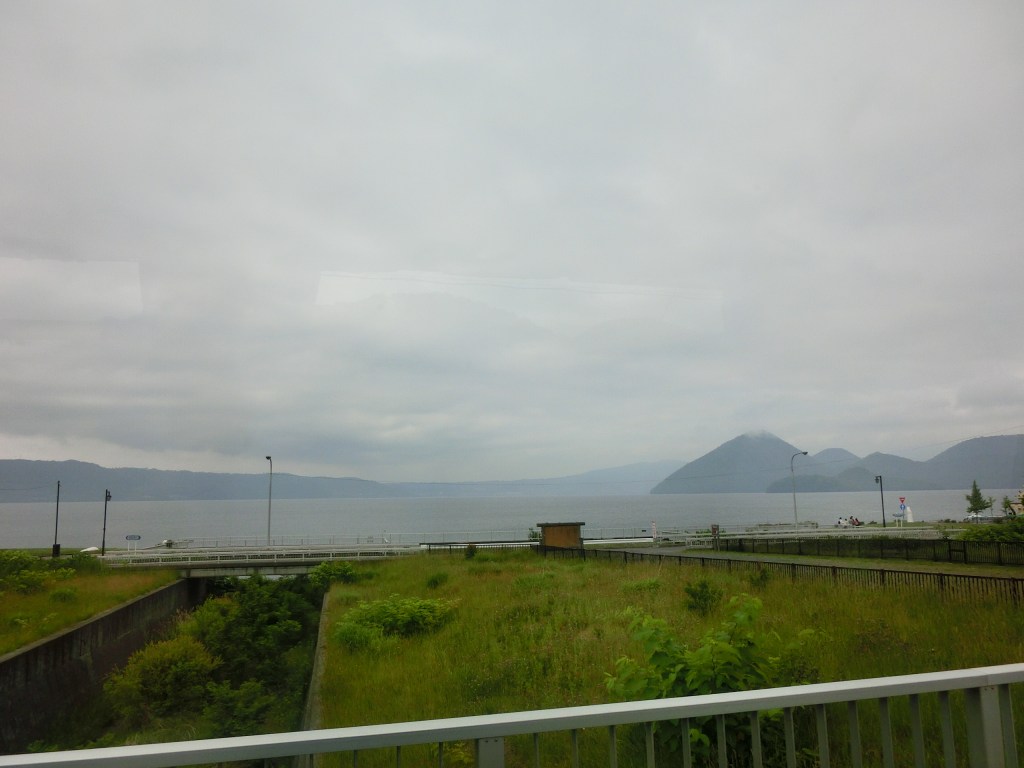
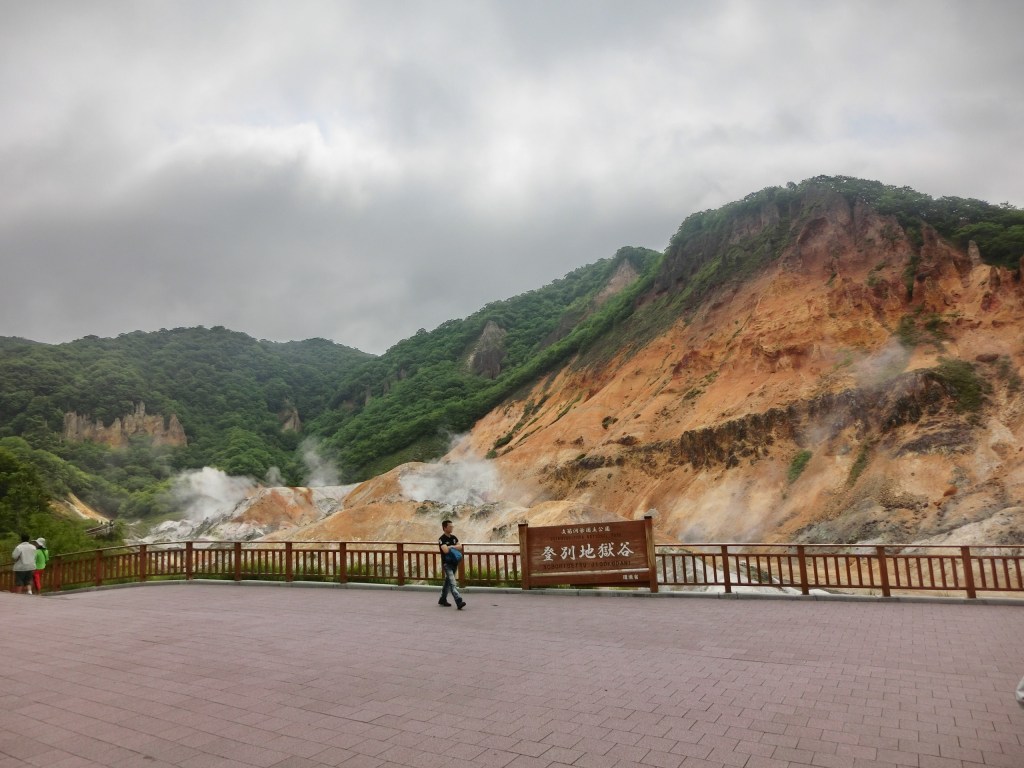
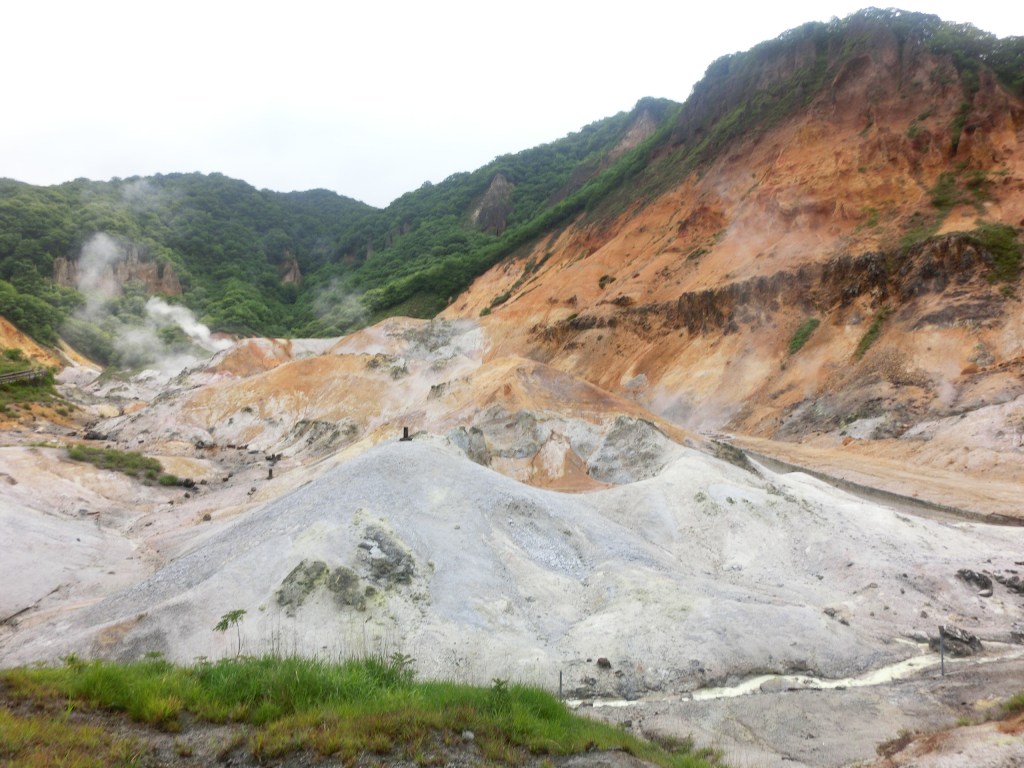
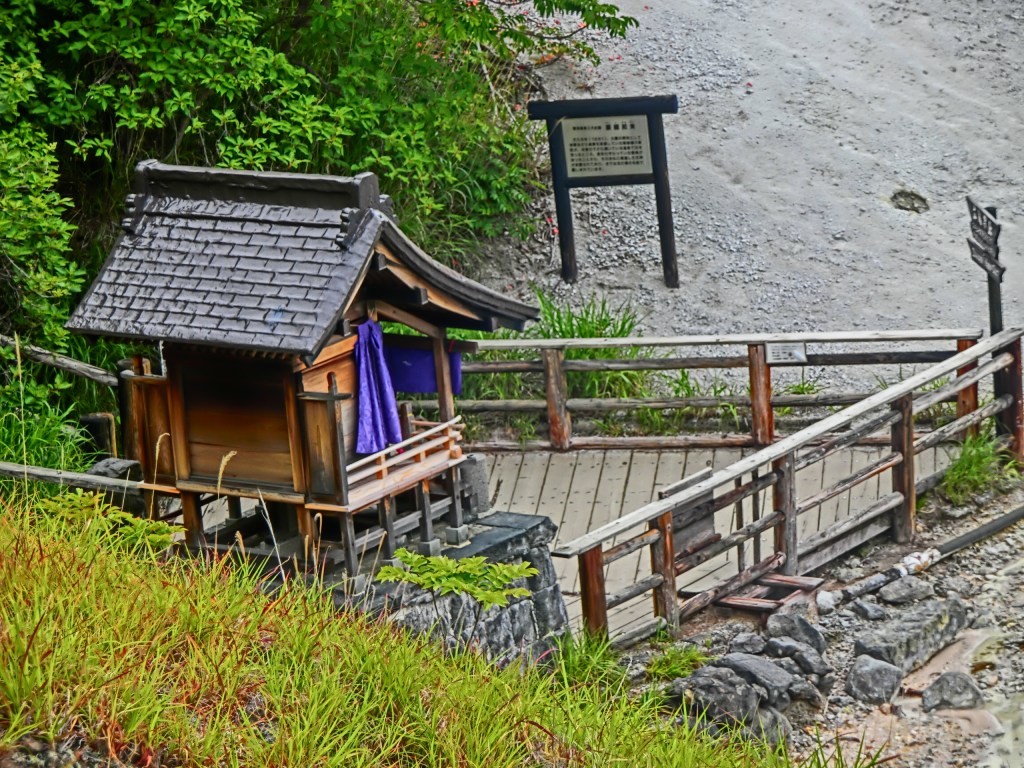
The park also contained a large crater with steaming springs called Noboribetsu Jigokudani, or Hell Valley. This feature of the park was beautiful too, but in a different way- it was impressive to watch the steam curling off of the golden and gray hills covered with lush green trees!
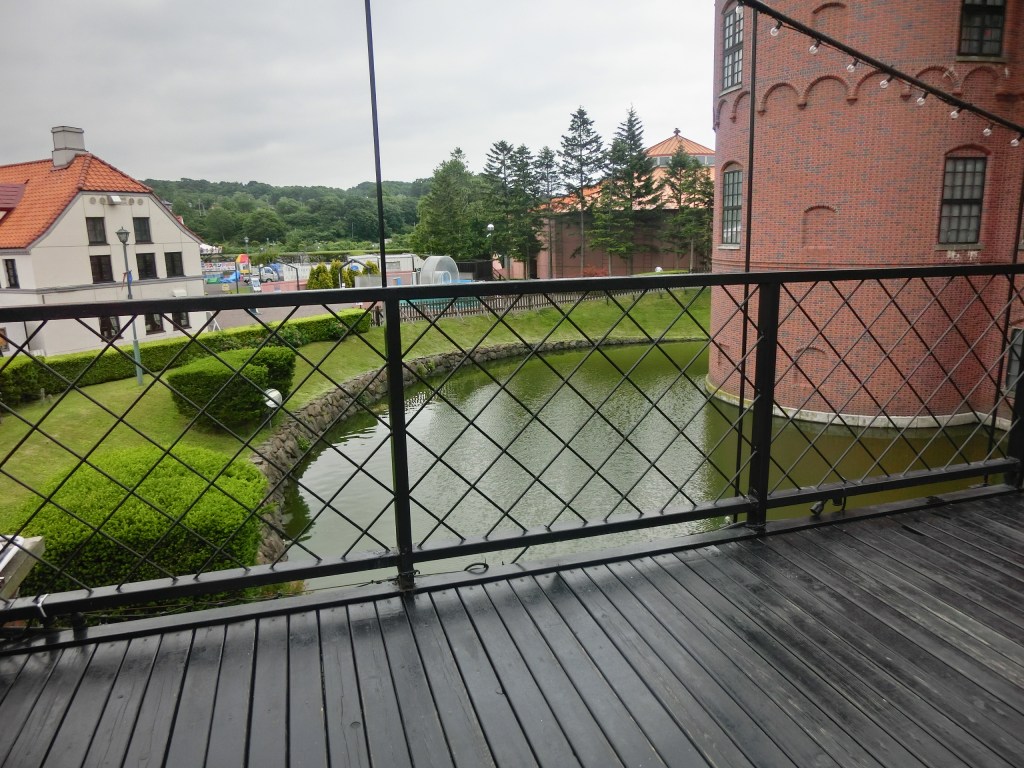
Another one of our major stops was the Otaru Aquarium. Otaru was built on its own site, meaning it not only had a main building containing the aquarium (which is shaped like a castle, by the way!) but also contained exterior including like a penguin enclosure and a reptile house, as well as shops and restaurants.


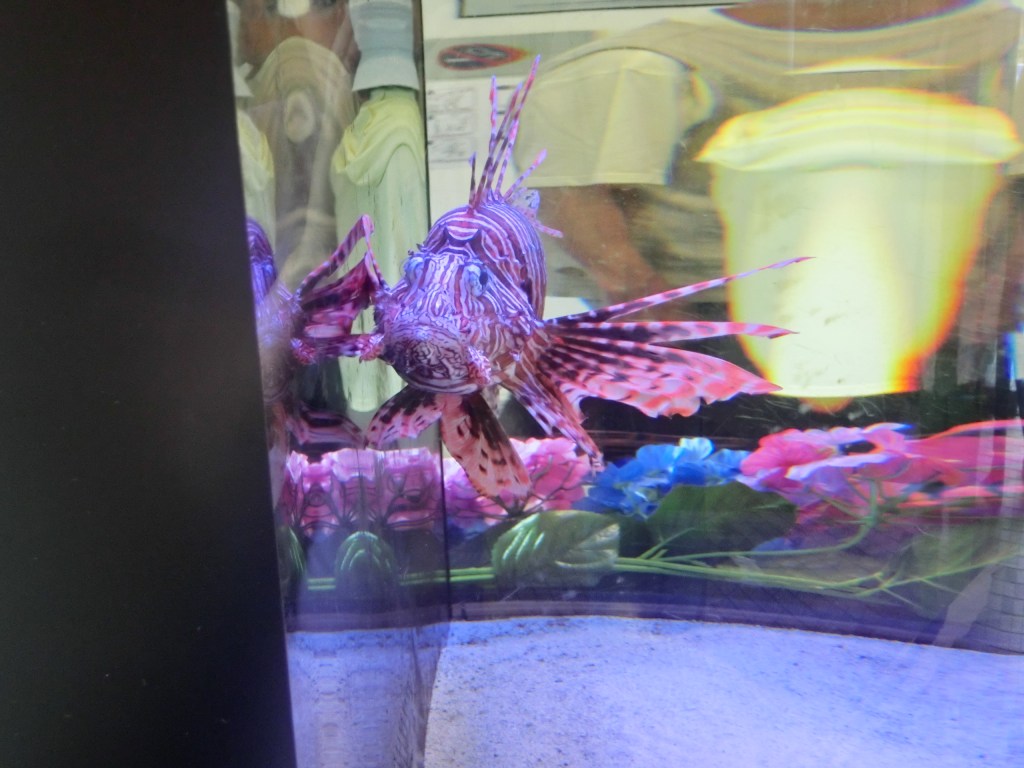
The aquarium held a variety of exhibits, including a tank for lionfish, moray eels, king crabs, and a stingray touch tank, where the animals glided gracefully through their aquatic environments.
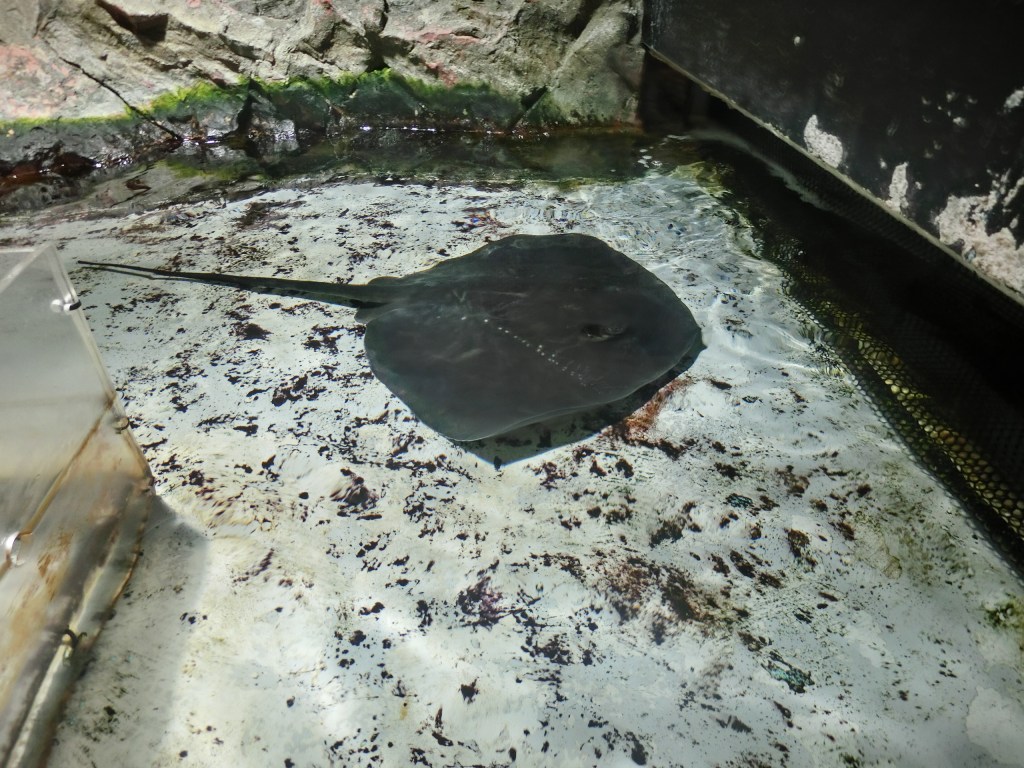
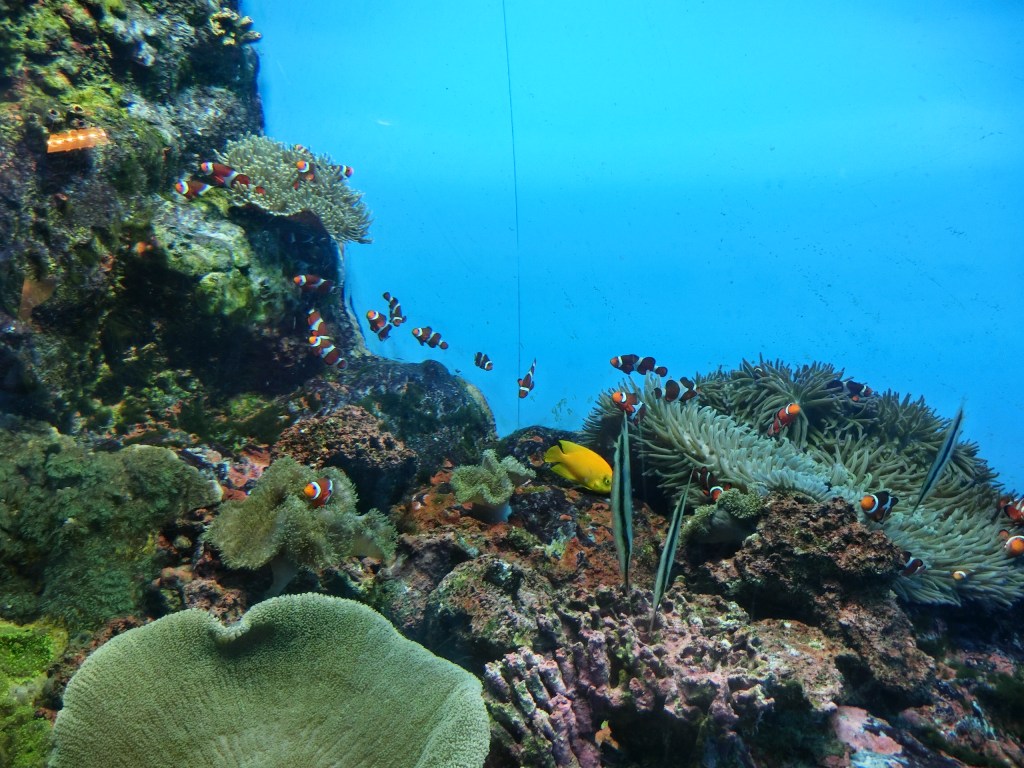
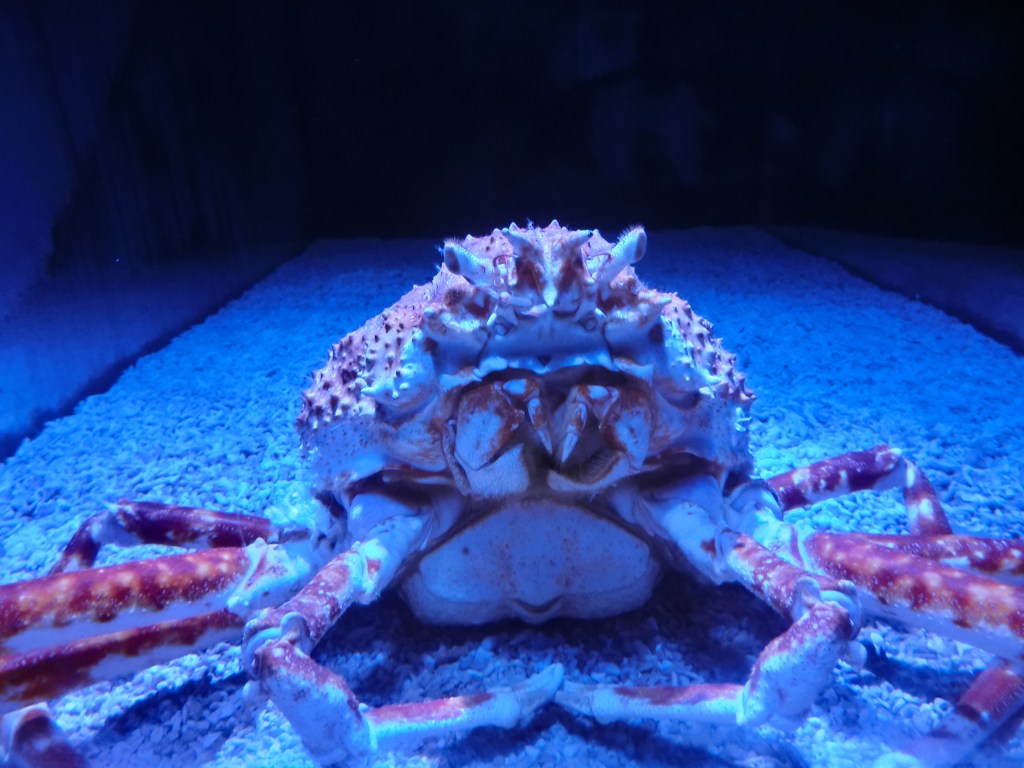


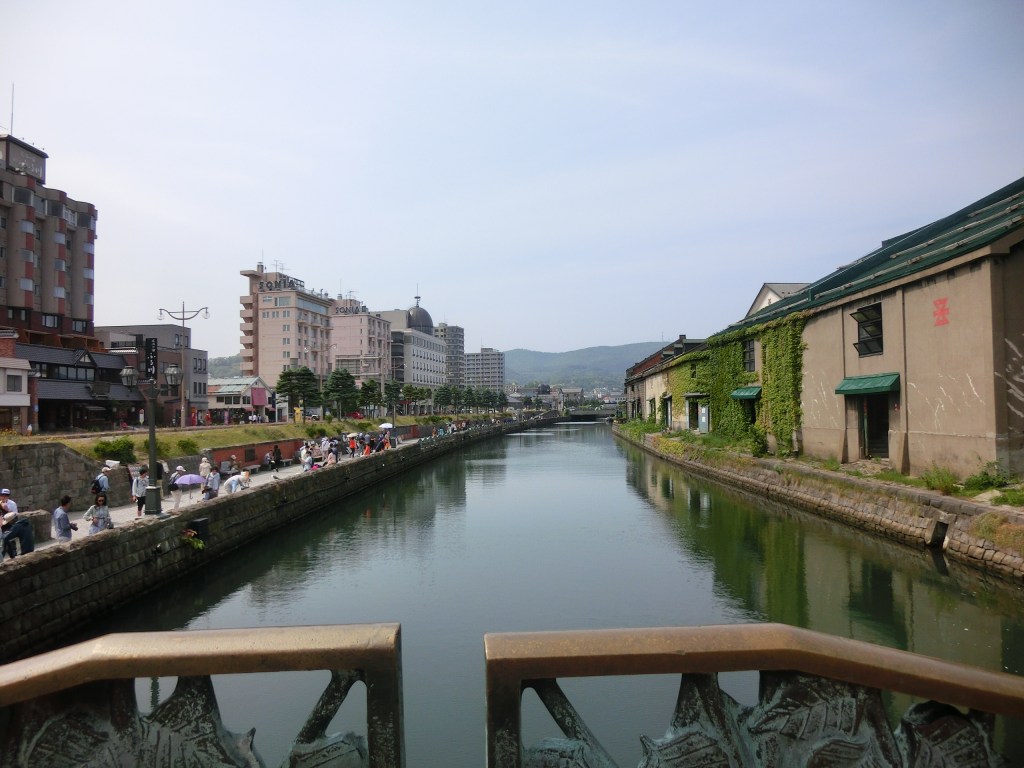
The Otaru Canal was quite close to the aquarium, so that was our next stop. The canal was very clean and well-maintained, as were the as well as its accompanying bridge and walkway, where vendors sold photos, drawings, and other wares.


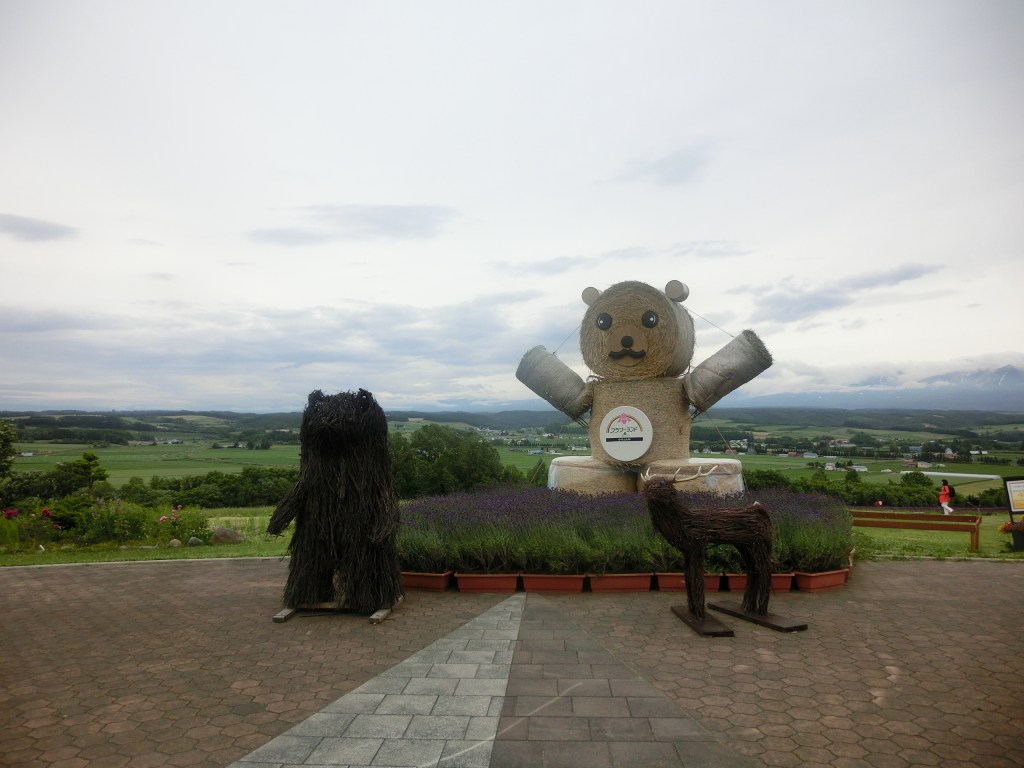
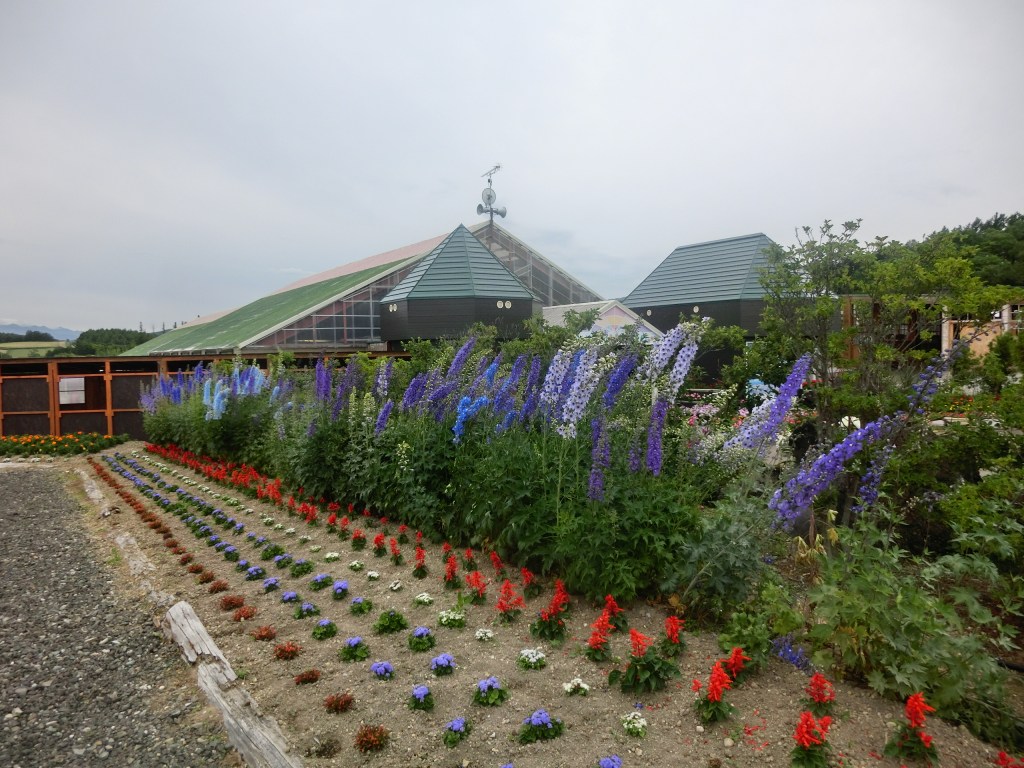
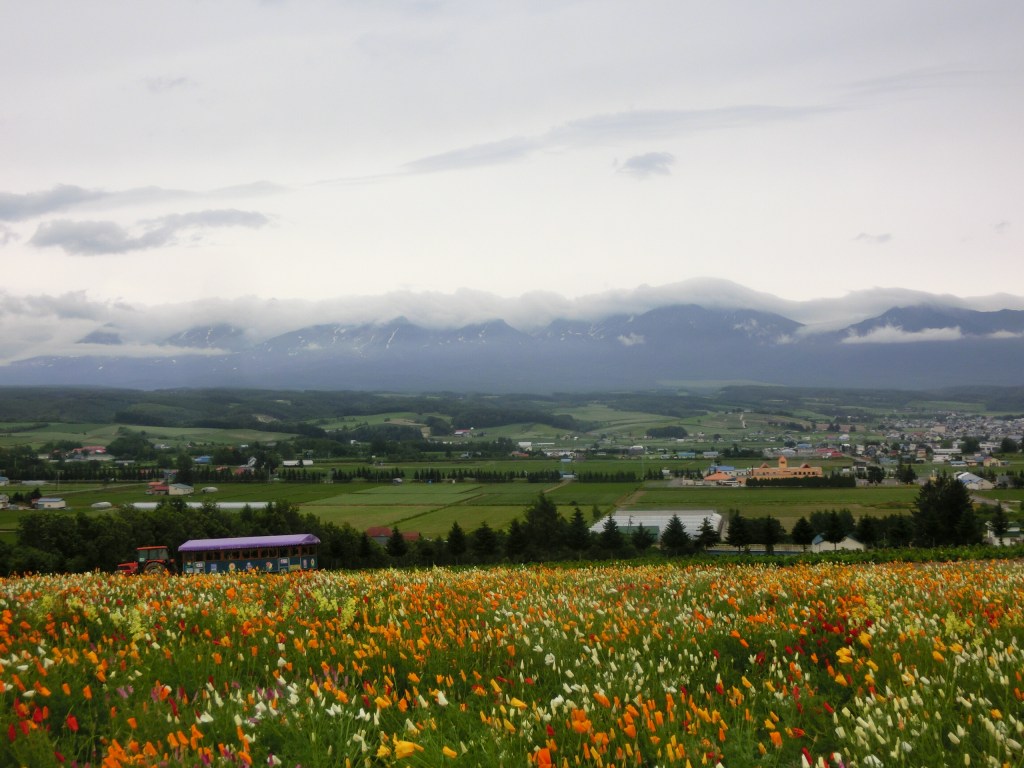
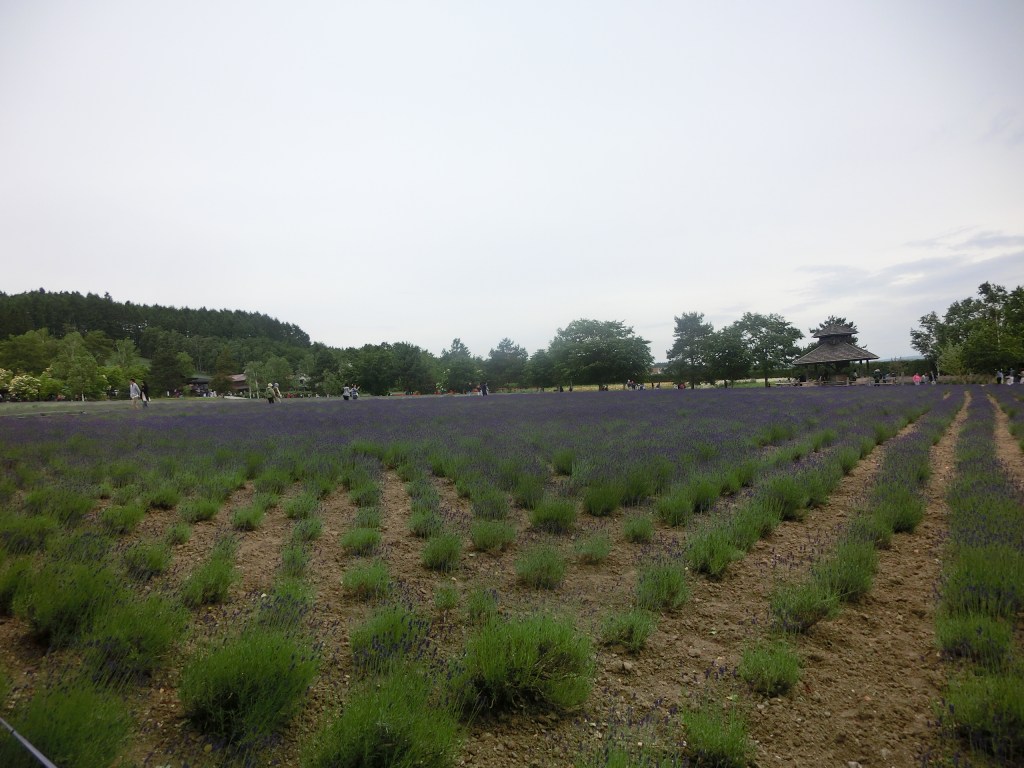
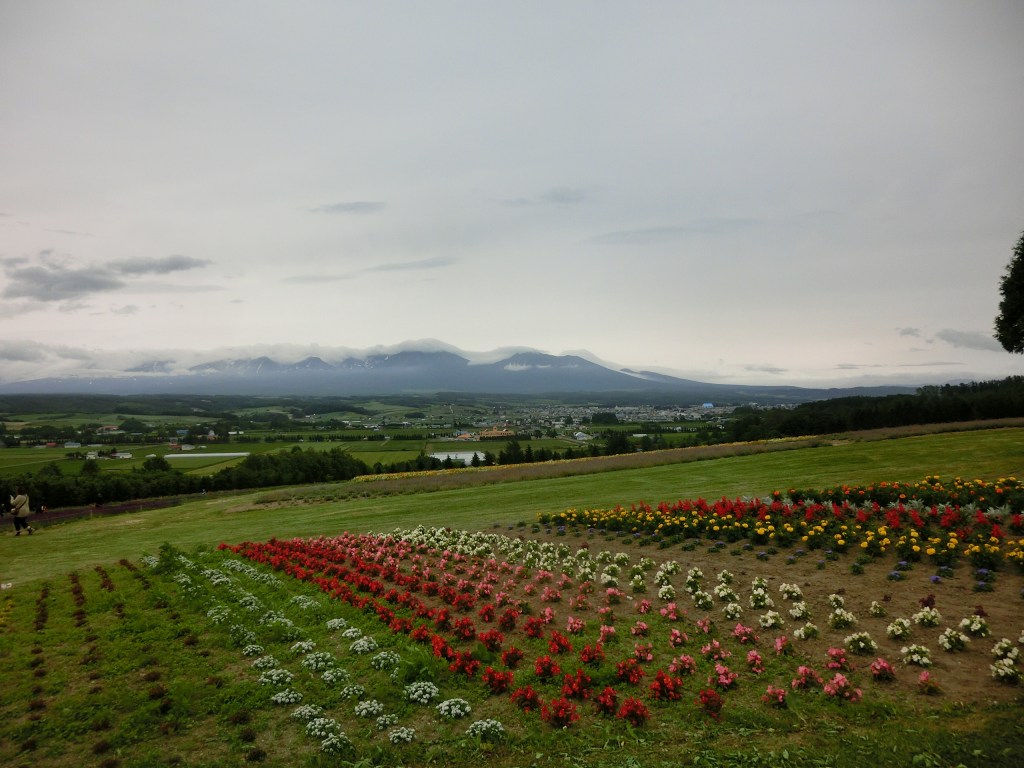
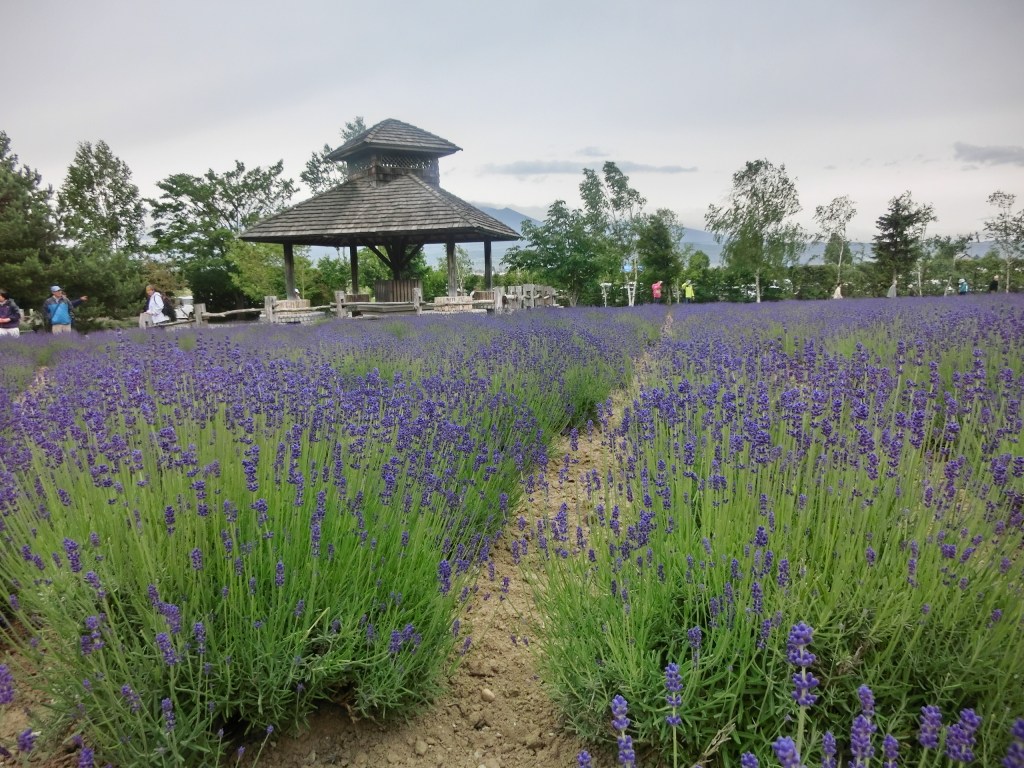
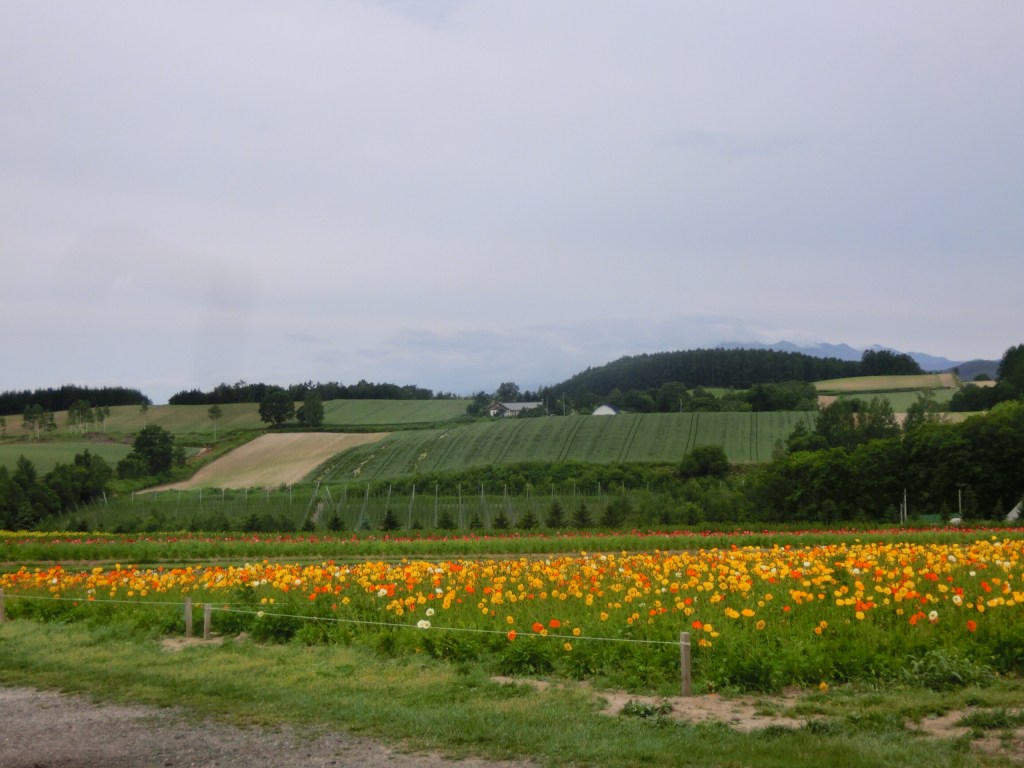
At Flowerland Kamifurano, a flower farm with rows and rows of colorful blooms, we had a chance to see the beauty of all kinds of flowers. It was a gorgeously picturesque place; the backdrop of green hills and fields beyond the blossoms made it a great place for taking photos. There was also a shop selling flowers, soaps, and perfume as well as other floral themed gifts.
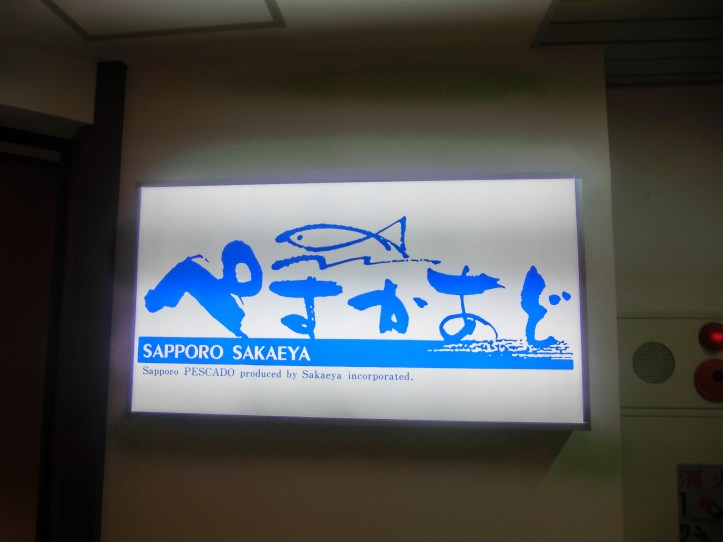


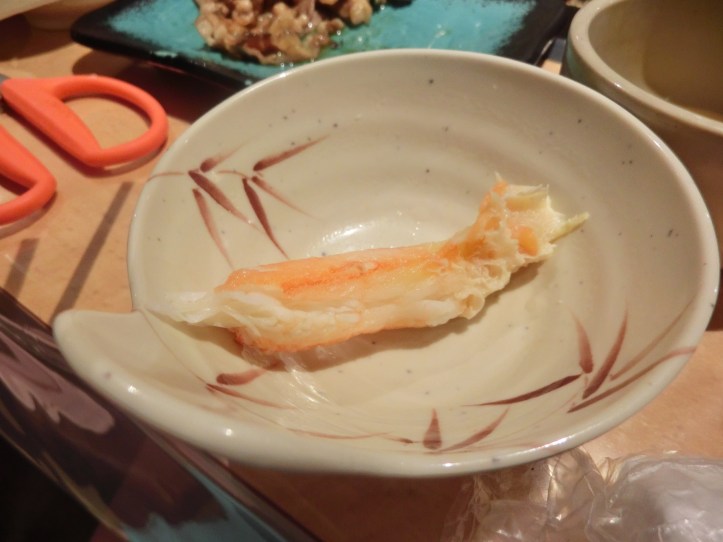

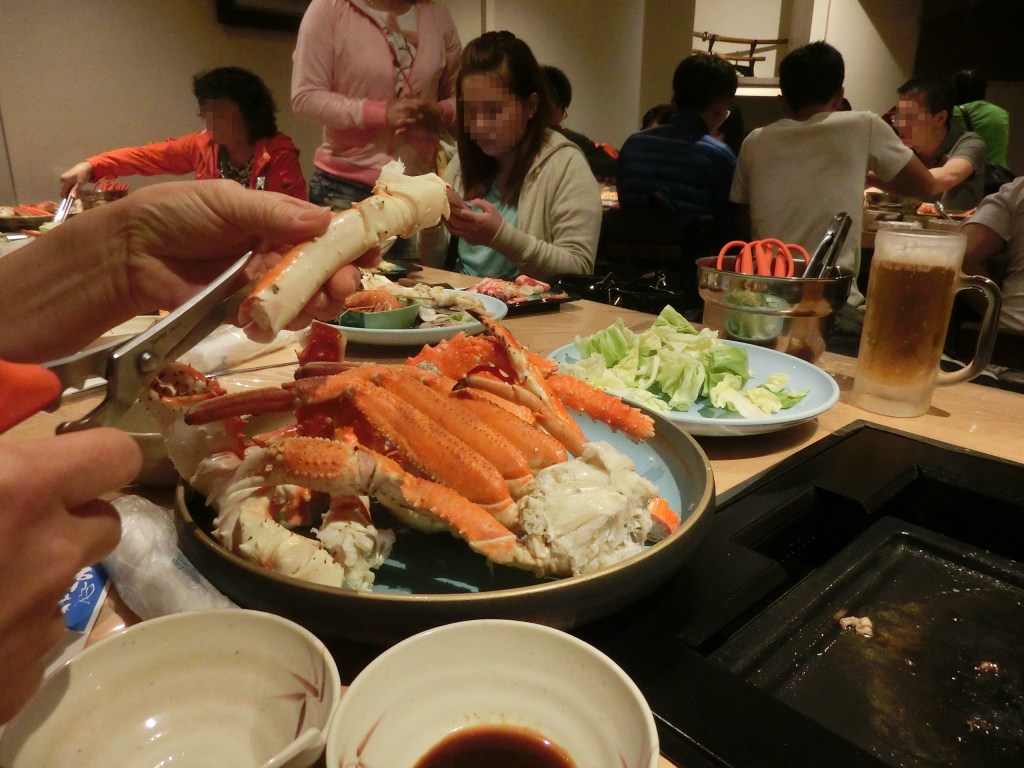

At the seafood restaurant Sapporo Sakeya we sampled different seafood dishes, including shrimp, mussels, and fish. We also tried one of the types of seafood that Hokkaido is known for- king crab legs and horsehair crabs. The meat of the king crab was incredibly sweet and tender, owing to the freshness of the catch!

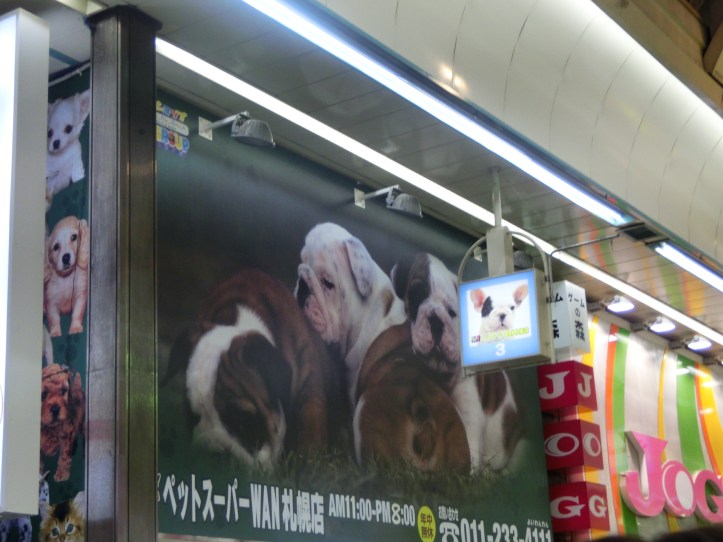


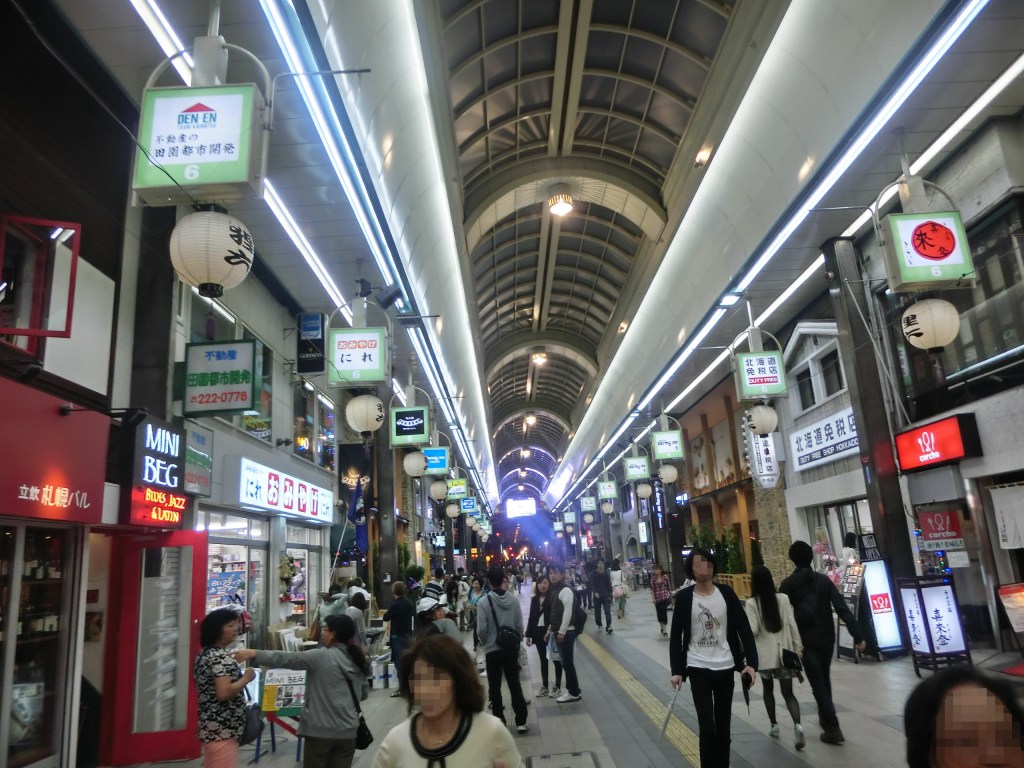

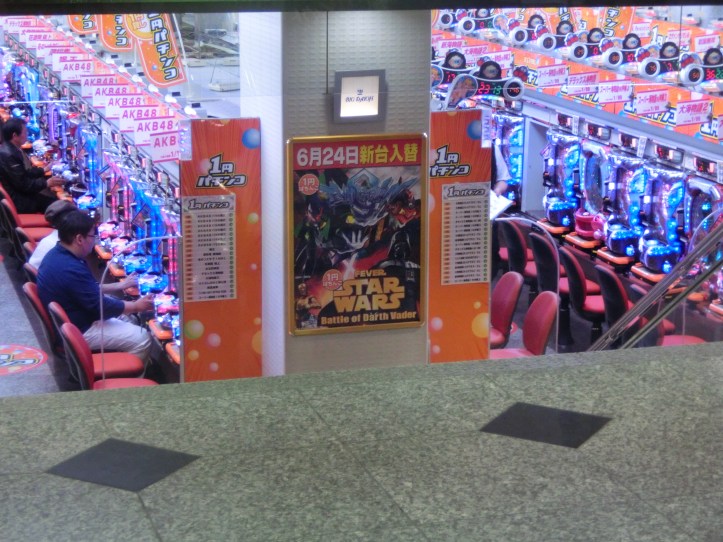


The last stop on our trip to Hokkaido was Poletown, an underground shopping mall, which was structured like a huge subway terminal with stores lining the walls. It was the one modern stop we visited on our tour; neon signs and bright lights illuminated the shopping mall and advertised shops, restaurants, and even a pet store.

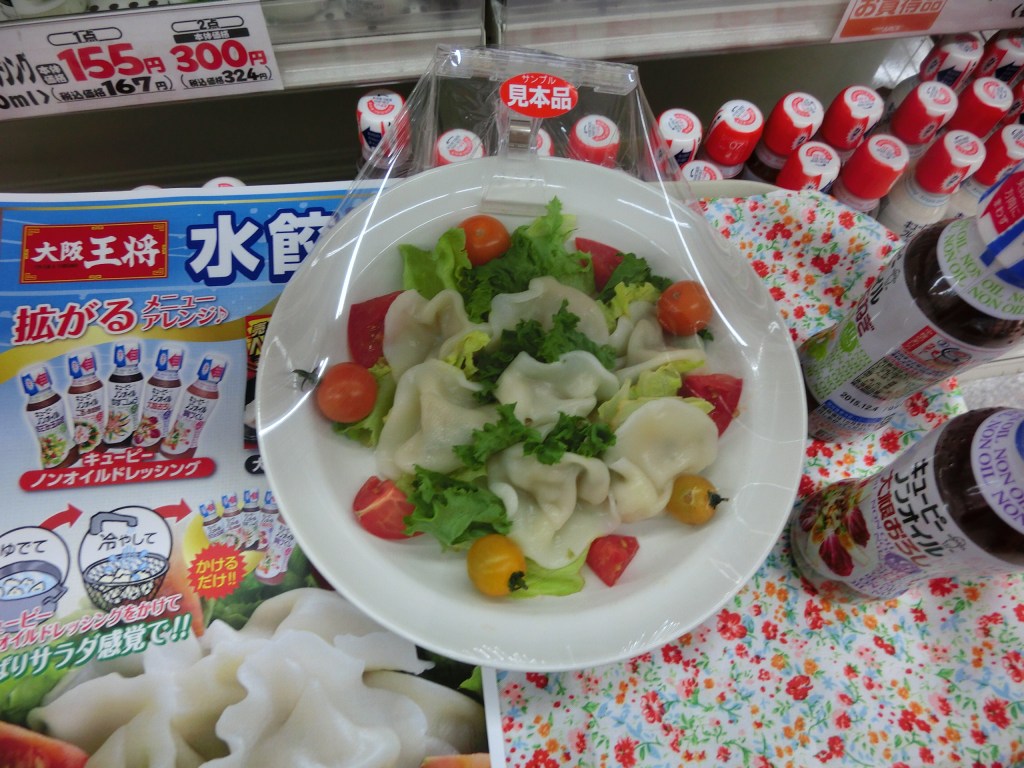
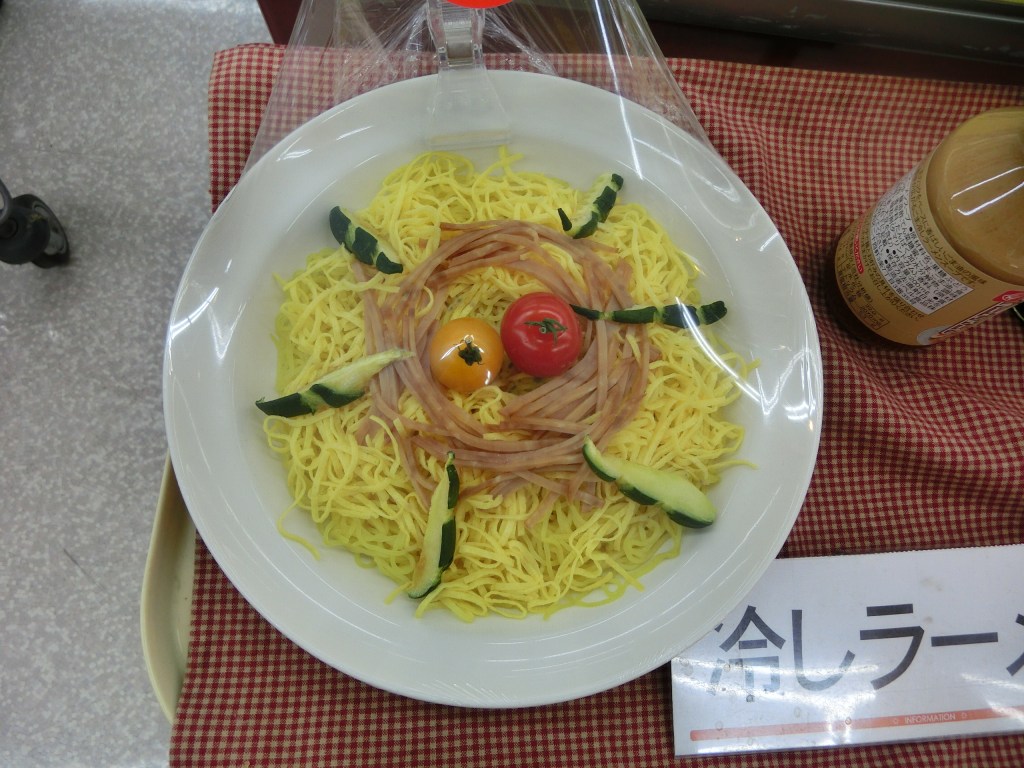
I also saw a major aspect of Japanese culture I had read about before my visit at Poletown- the plastic food displays that many restaurants display outside of their windows to show customers what each dish looks like. These plastic renditions are incredibly realistic and detailed, and they look just like their real-life counterparts. For instance, the display of crêpes featured in the window of a store in Poletown contained plastic displays of vibrant pieces of fruit and perfectly shaped dollops of cream wrapped in lightly browned crêpes. We saw two more examples of plastic food displays at a grocery store, featuring glistening dumplings and noodles topped with vegetables, and I was again amazed at their authenticity!
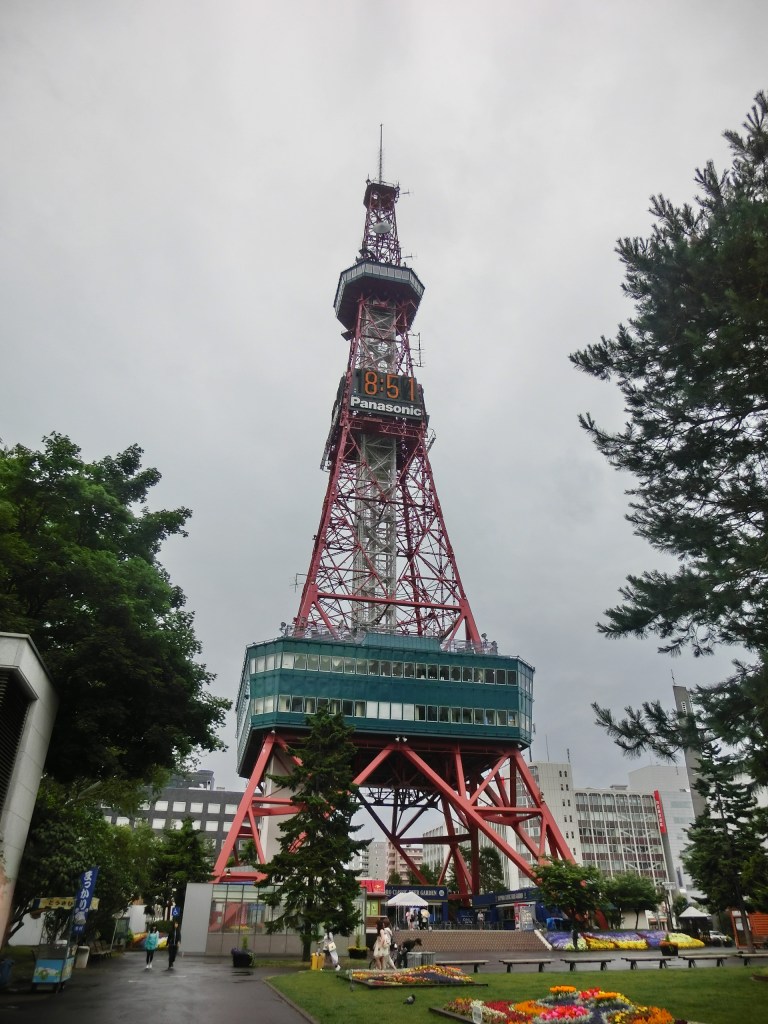
As we prepared to leave Hokkaido, we passed the Sapporo TV Tower. Although we didn’t get to climb the tower, it was beautiful to see, with a deep green observation deck wrapping around a structure of red metal.
Hokkaido is a region that places a lot of attention and care on visual detail; it’s a city perfect for sightseeing- even simply walking down the street was an enjoyable experience! All of the facilities that we visited, from the man-made buildings to the waters of the Otaru Canal were very clean, and the staff at the various facilities and restaurants were all very polite and friendly. The focus on nature and attention to detail made Hokkaido was one of the most whimsically unique places I have ever visited.
Thanks for reading my post! If you enjoyed it, please like, reblog, and share!


[…] they look! It reminded me of the sampuru I saw on my trip to Hokkaido, which you can read about here. We decided to eat first and then return to check out the supermarket, so we made a round of the […]
LikeLike