
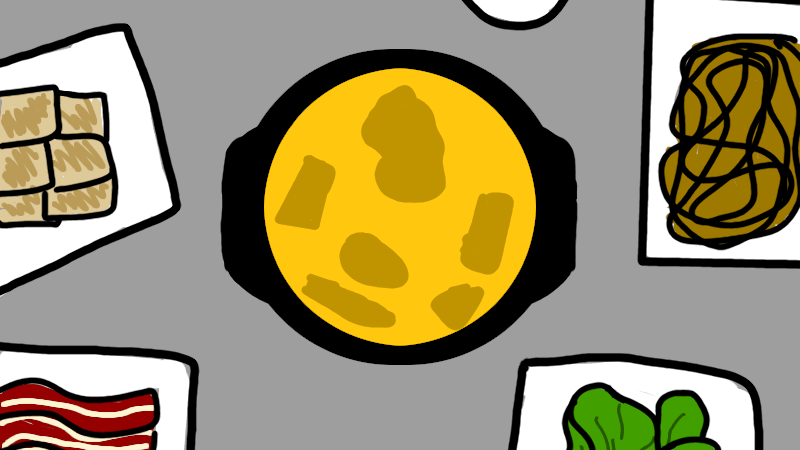

Hotpot is a form of Chinese cooking that refers to cooking raw ingredients- including vegetables, meat, and noodles- in a pot of broth directly at the dining table. The soup is kept simmering with a portable burner or a hot plate built directly into the tabletop. Hotpot can be enjoyed at home or in a restaurant, but either way, the cooking method makes it a great social meal to share with family and friends! (Assuming that there is no danger of communicable diseases, of course).
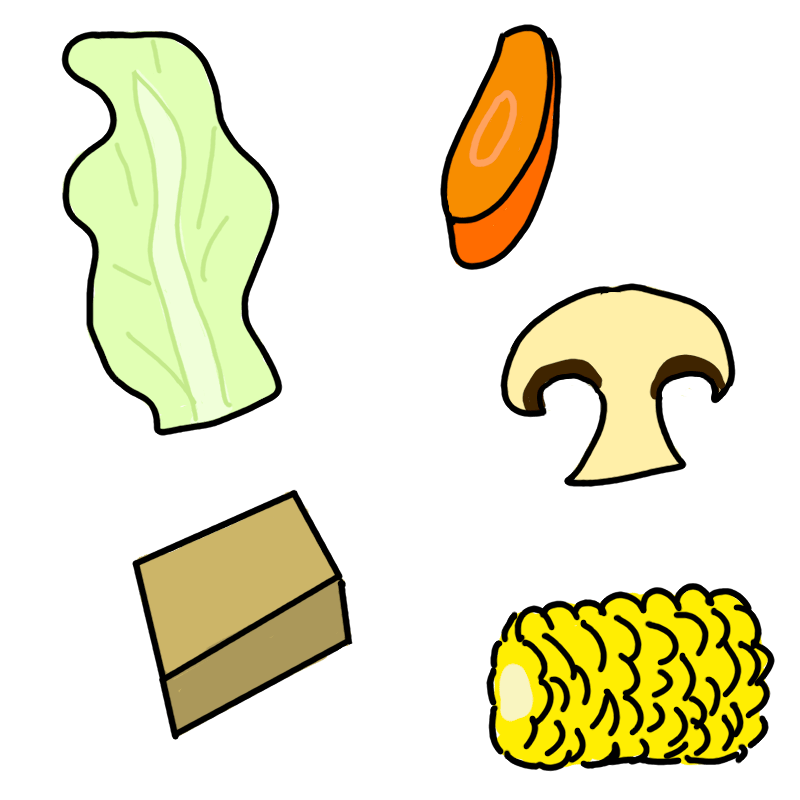
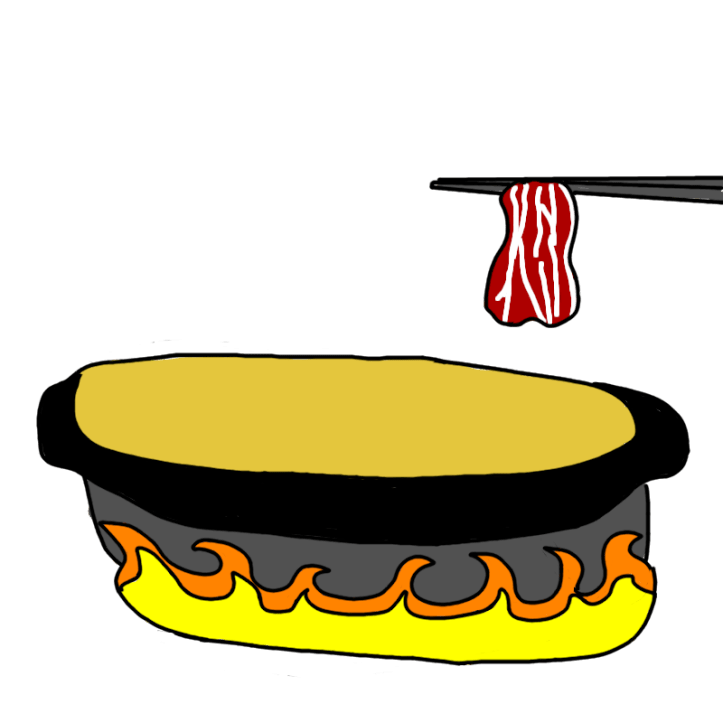
If you are enjoying the experience at home, you can choose whatever array of ingredients you would like, but if you are dining at a restaurant, you can order ingredients in sets and combinations! Cabbage leaves, carrots, mushrooms, tofu, corn, and taro are just a few staples from the wide selection of vegetarian ingredients! Meats come in thin slices to speed up the cooking process, and usually consist of beef, lamb, and pork. Lastly, noodles can range from thick, chewy udon to fine cellophane noodles! Hotpot is a very customizable meal; everyone can select foods that suit their diets and tastes! To cook the food, make sure the burner is hot enough that the broth begins to boil. Drop the raw food into the soup and wait for it to cook. Remove them once they’re cooked to your liking and enjoy!
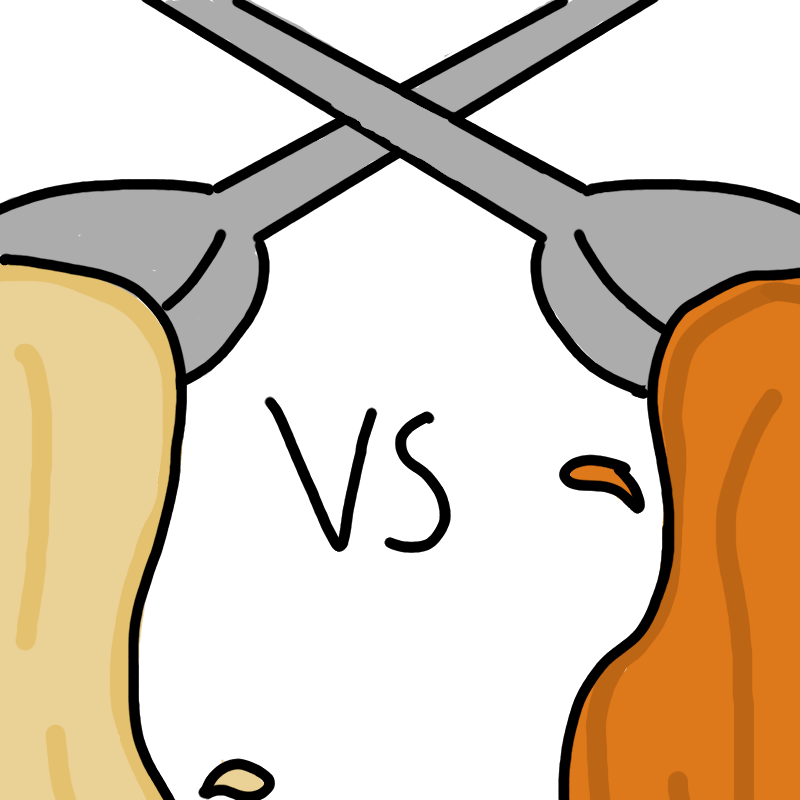
While cooking hotpot is a fairly basic process, I have some tips for you to ensure that your experience is enjoyable as possible!
- Select a soup base that suits your tastes. Since you will be cooking all of your ingredients in your broth, make sure that you like the flavor of the soup itself! I personally like broth that has a subtle flavor, since I want the taste of the ingredients themselves to be prominent. However, some people like soup that has a strong or complex taste to infuse their hotpot components with, so choose carefully!

- Remember that ingredients cook at different rates. If you don’t want to end up with overcooked and undercooked ingredients, you’ll need to be strategic with the timing and temperature. For example, tougher vegetables like taro cook much slower than thin slices of meat. Place taro into the soup early on, and you’ll be able to enjoy them when you simmer beef slices later on.
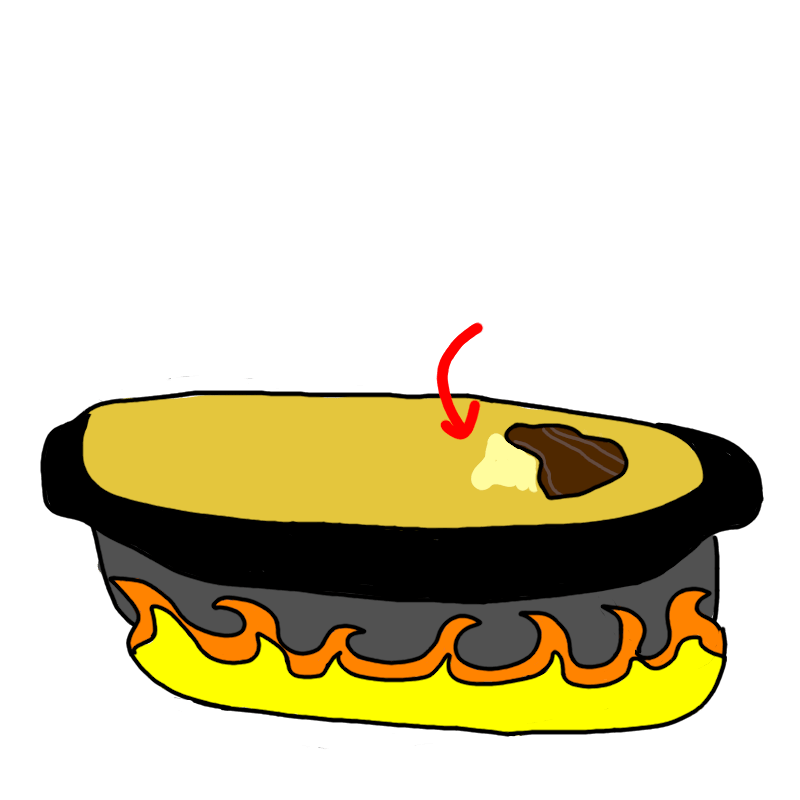
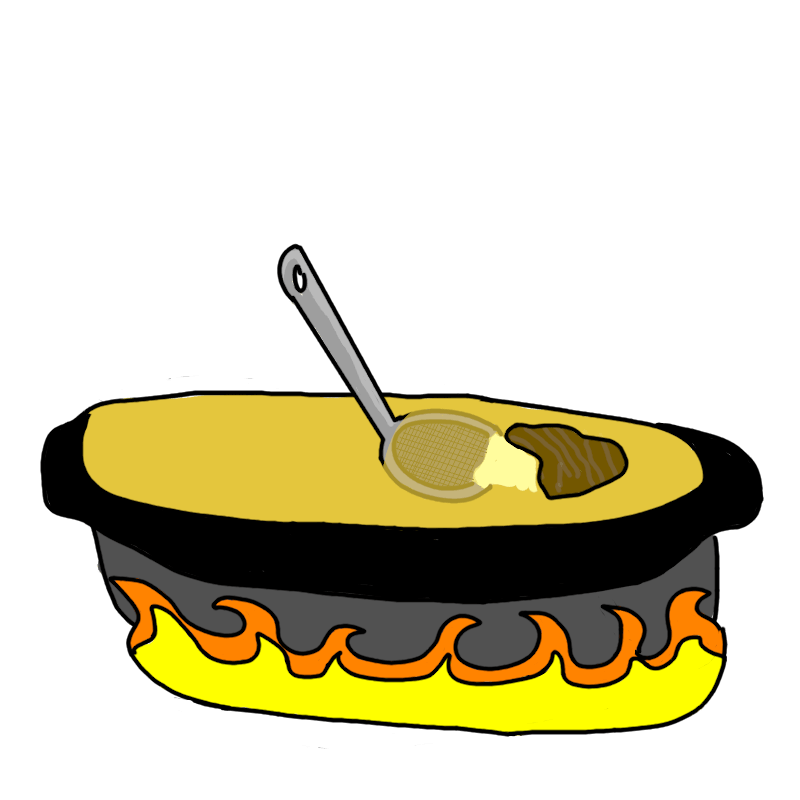
- Scoop off the fat that rises to the top of the soup (if you’re cooking meat). When meat cooks, the fat that sits in between the fibers rises to the top of the soup. It forms foamy, white-brown clumps on the surface of the broth. In restaurants, you will likely be provided with a strainer and a bowl to scoop the fat into. However, if you are at home, you can just use a spoon to get rid of it.

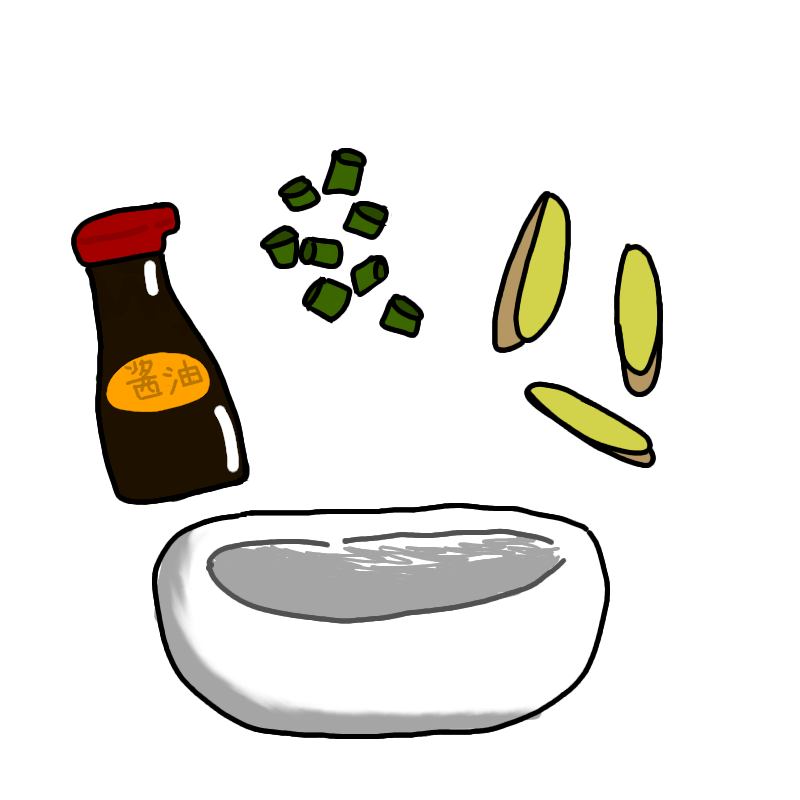
- The dipping sauce combo you settle on can make a big difference. Hotpot restaurants usually offer a variety of condiments like soy sauce, white/black vinegar, minced garlic, scallions, and ginger that you can use to make a custom dipping sauce. It may take some experimenting, but you’ll likely settle on a combo that suits your soup ingredients!
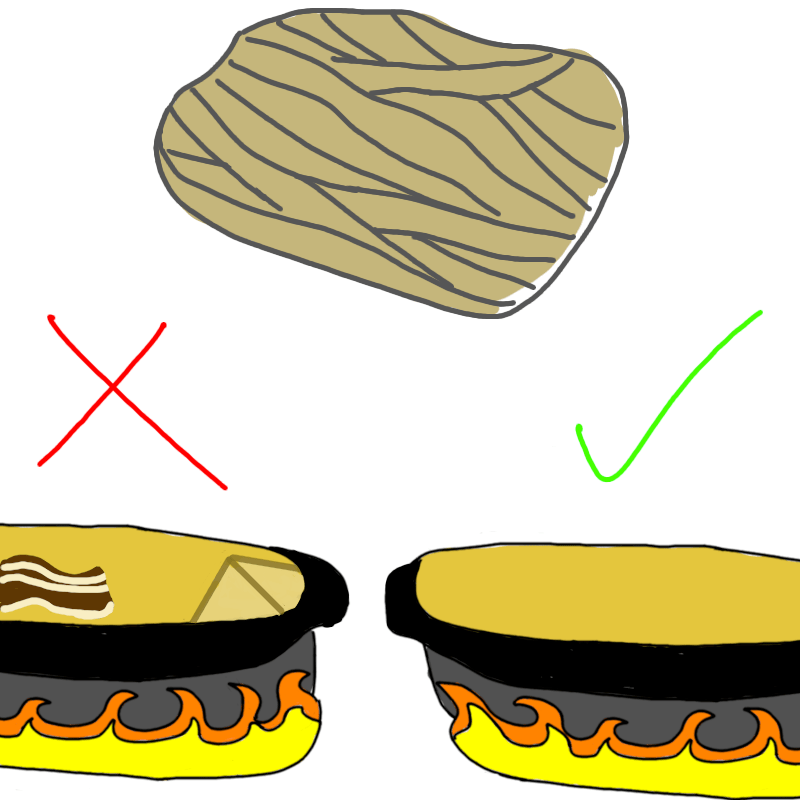
- You may want to add the noodles separately from the other ingredients. I always drop in the noodles after I remove all the other components of the soup because if you add them at the same time, the noodles will soften and entangle the rest of the ingredients, which makes them hard to spot and pick out and often leads to overcooking.
Thanks for reading my post! If you enjoyed it, please like, reblog, and share!
 thetravellinggashapon